The public has 30 days to persuade the Forest Service to halt the misguided plan
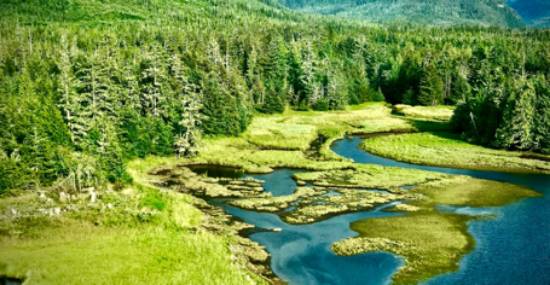
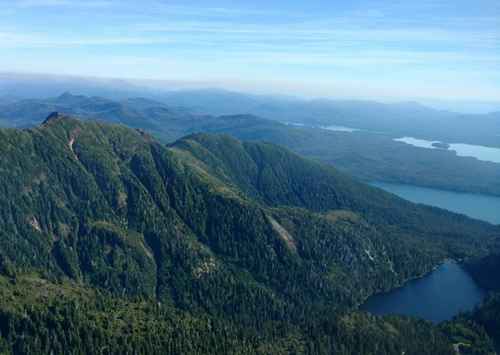
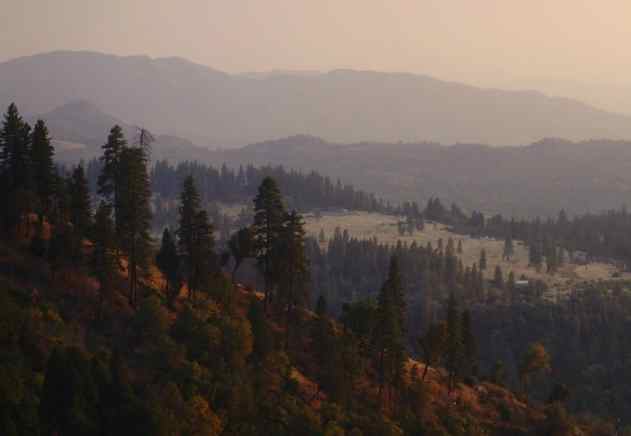
Tongass National Forest, Southeast Alaska (Photo: Brian Logan, USGS)
ANCHORAGE, Alaska — Some of Alaskans favorite places to immerse themselves in nature face imminent danger. The U.S. Forest Service (part of the Agriculture Department) filed a proposed rule in the Federal Register on Wednesday that would end protections for nearly 45 million acres of “inventoried roadless areas” from road-building and logging.
“As Americans are planning how to spend their time outside in our public lands this fall, the Forest Service is proposing to open our wild forests to logging and new roads,” said Environment America Research & Policy Center’s Great Outdoors Campaign Director Ellen Montgomery. “We should be celebrating nature and protecting our remaining intact forests, not removing decades-old protections. We call on all Americans to submit public comments over the next 30 days. To keep America beautiful, let’s ask the Forest Service to keep our wild forests wild.”
The Roadless Area Conservation Rule currently protects these swaths of wild forests, including 58.5 million acres in Alaska, from logging, mining and other destructive human activities.
According to the proposed rule, the Forest Service anticipates that permanent roads could be constructed across 18.2 million acres and temporary roads across another 11.3 million acres of wild forest currently protected from development. Roads and road reconstruction damage wildlife habitat, hinder wildlife movement and can cause water pollution. And, contrary to the stated rationale for rescinding the Roadless Rule, it may increase the likelihood of human-caused wildfires. Fewer than 1% of wildfires in the lower 48 states since 2010 have started in roadless areas of national forests.
For a quarter-century, forests protected by the Roadless Rule have provided respite from modern hustle and bustle to people visiting Alaska and the people and wildlife who live here.
“In the Chugach and Tongass National Forests, bears fatten up on berries, fish stay cool in shaded streams, kids learn how to hunt deer, friends backpack long trails, plants filter water and life thrives. That’s how it’s been for a long time, and that’s how it should continue to be,” said Alaska Environment State Director Dyani Lezama. “The Roadless Rule has been working as a successful and cost-effective conservation tool. It only makes sense to keep it in place.”
The Roadless Rule was enacted in 2001 after 600 public meetings and in response to 1.6 million public comments. The public will have until September 21 to comment about the new proposed rule once the government publishes the proposal on Thursday.
People can go to saveroadlessforests.com to leave a comment and let the Forest Service know they want to keep the Roadless Rule — and the beloved forests across Alaska — intact for generations to come.