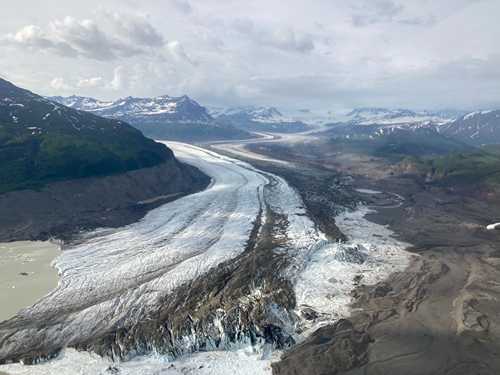
Alaska’s glaciers respond to climate change by melting for three additional weeks with every 1 degree Celsius increase in the average summer temperature, data from satellite-mounted radars show. A single degree Celsius equates to 1.8 degrees Fahrenheit. Work by scientists at Carnegie Mellon University and the University of Alaska Fairbanks also shows that synthetic […]
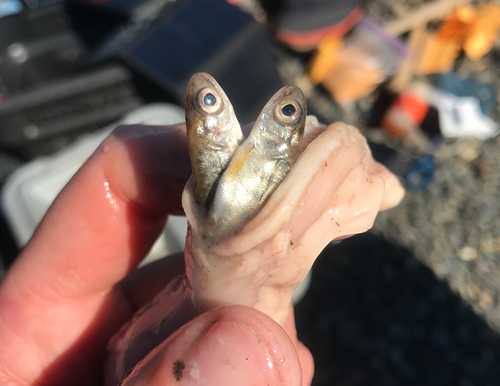
Rising temperatures in a Southcentral Alaska river have led to a hungrier population of invasive northern pike, a trend that could imperil native salmon and other fish species. A University of Alaska Fairbanks-led research team analyzed the stomach contents of northern pike caught by the U.S. Fish and Wildlife Service in the Deshka River […]
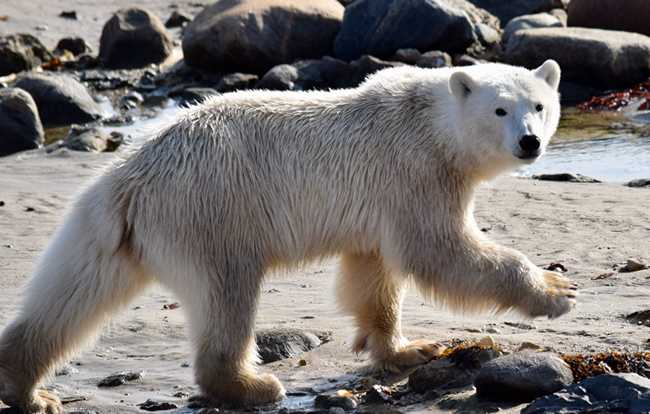
Arctic tracking shows ringed seals trade safety for food variety—evidence that conservation plans must factor in both food and fear. As climate change reshapes Arctic food webs, ringed seals will swim into risky polar bear territory if the menu is varied enough. That’s the central finding of a new study published in Ecology Letters. UBC researchers tracked […]
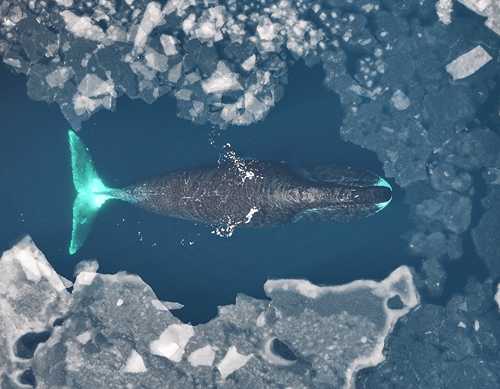
DNA: Commercial whaling has left the bowhead whale vulnerable for many generations to come. A unique collection of prehistoric bowhead whale bones, dating back 11,000 years, reveals a previously untold story of the relative impacts of humans on nature. The time series of ancient fossils show that commercial hunting of bowhead whales, which spanned […]