NOAA strengthens commitment to world-class tsunami monitoring and detection in Pacific
By NWS Public Affairs at NOAA on Comments Off on NOAA strengthens commitment to world-class tsunami monitoring and detection in Pacific
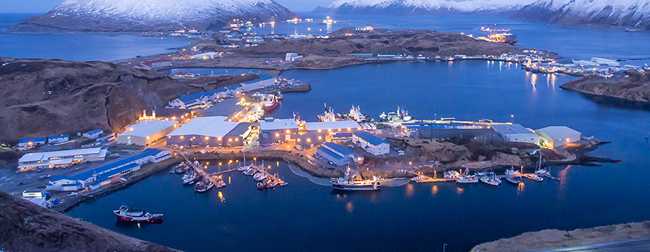
A Bering Sea pollock fleet prepares to depart Dutch Harbor, Alaska, for another season of the largest commercial fishery in the United States. (Image credit: S. Zmolek/NOAA)
A new agreement between NOAA, the Alaska Mesonet and the seismic network operated by the University of Alaska-Fairbanks Alaska Earthquake Center (UAF AEC) is funding nine AEC-owned seismic stations that support near-real-time tsunami threat information.
“Seismic stations are an important dataset for NOAA’s Tsunami Warning Centers to provide real-time warnings that save lives amid tsunamis and related hazards,” said Neil Jacobs, Ph.D., NOAA administrator. “NOAA’s National Weather Service is committed to providing the fastest hazard warnings possible to Americans.”
The agreement continues the real-time datastream for U.S. residents throughout Alaska — especially the Aleutian Islands where tsunamis can strike within minutes — the Pacific Northwest coast, and around the Pacific Basin. As part of the agreement, NOAA will provide funding to support underlying tasks, including computer maintenance, 24/7 response support, quality assurance of data, regular station monitoring and site maintenance.
“The Alaska Earthquake Center is an unparalleled resource, helping to keep Alaskans safe from natural disasters—on land or at sea,” said Senator Lisa Murkowski. “In partnership with the National Tsunami Warning Center in Palmer, funding for seismic sensors in the Aleutians strengthens real-time warnings across the region. “I appreciate NOAA’s work to find a solution to continue the important monitoring capacities that save lives.”
“The Alaska Earthquake Center is essential to keeping Alaska’s people, communities, and infrastructure safe,” said Senator Dan Sullivan. “Alaska sits in one of the most seismically active regions in the world, facing constant risk from earthquakes, tsunamis, and landslides. Our communities rely on the National Weather Service and its partners—including the Alaska Earthquake Center—for timely and accurate data, research, and monitoring that enable swift public communication and effective preparedness for all hazards.”
The new agreement through the National Weather Service’s National Mesonet Programoffsite link (NMP) took effect on March 1, 2026. The NMP purchases observational data from a wide variety of observing networks that are owned and operated by private sector entities and state-academic consortia. These data sources supplement NOAA’s observing systems, providing a robust set of weather and water conditions to support forecast models in the U.S. and around the world.