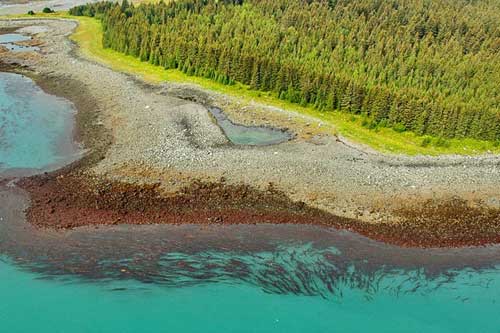
Scientists involved in the Alaska ShoreZone program have been steadily imaging and mapping Alaska’s rich coastal habitats since 2001. Over ninety percent of Alaska’s approximately 80,000 km of coastline has been completed, but gaps remain. During NOAA Fisheries’ Habitat Month in July 2018, imaging experts are filling in one of those gaps – Glacier Bay […]
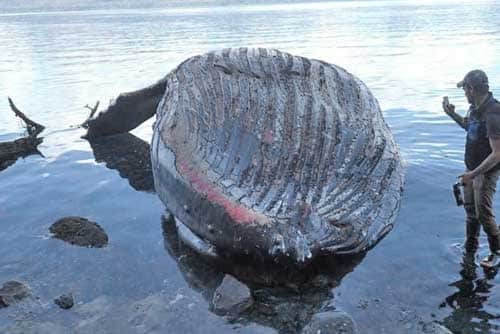
Preliminary results from the necropsy of a male humpback on Admiralty Island in Southeast Alaska found signs of hemorrhage, bruising, and a fractured skull—indications of trauma likely caused by a vessel strike. “Confirmation of cause of death is pending lab results, which won’t be available for at least six months,” said Kate Savage, the lead […]
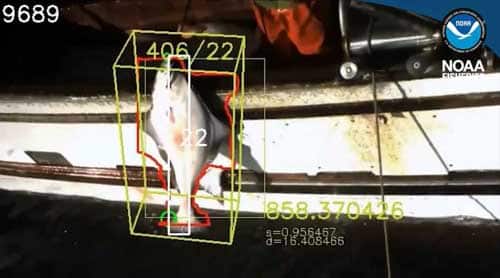
Government scientists, academia, and fishermen are working together to develop innovative monitoring tools to identify and measure fish from digital images. This technology could revolutionize the way fisheries data are collected. Machine vision technology advances electronic monitoring systems on fishing vessels, which use cameras to collect video of commercial catches. With this technology, scientists are […]
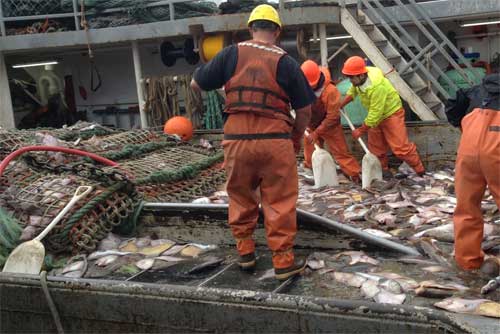
A multiyear electronic monitoring collaboration between the Alaska Fisheries Science Center and the Fisheries Information System Program is improving data collection through the development of innovative electronic monitoring technologies. The goal of the project is to automate video analysis for length measurement and species identification and to integrate electronic monitoring data into overall catch accounting. Gathering crucial […]