New research confirms that the land under the Chesapeake Bay is sinking rapidly and projects that Washington, D.C., could drop by six or more inches in the next century—adding to the problems of sea-level rise. This falling land will exacerbate the flooding that the nation’s capital faces from rising ocean waters due to a warming […]
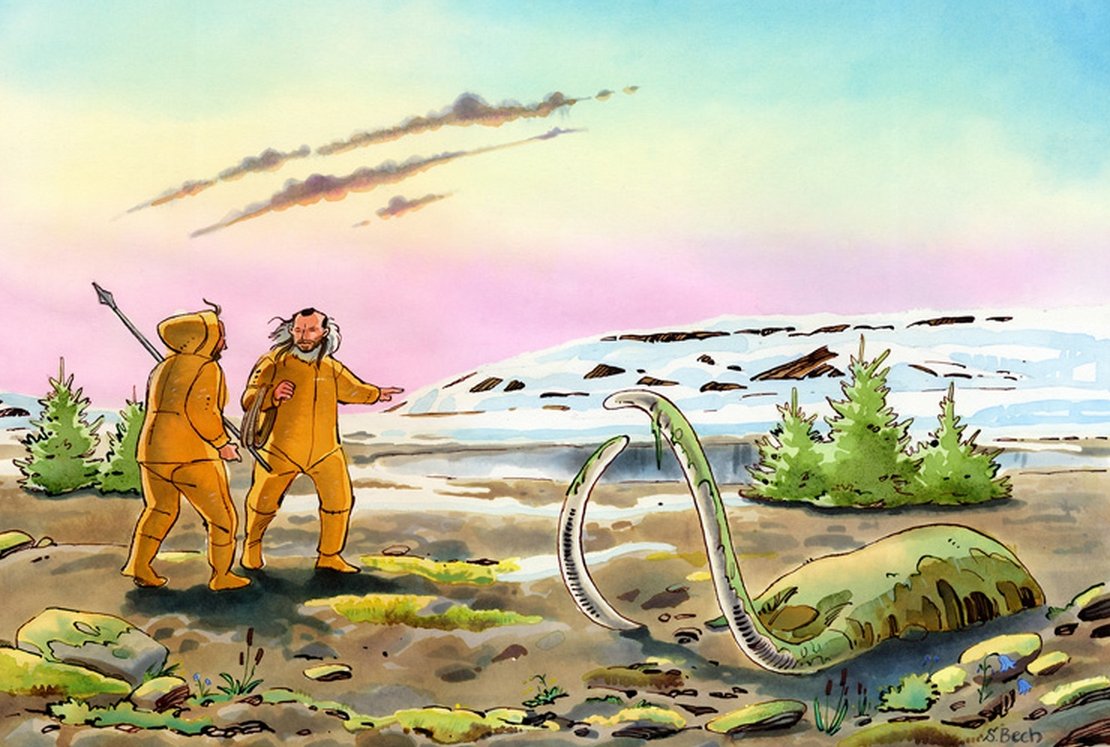
The original Americans came from Siberia in a single wave no more than 23,000 years ago, at the height of the last Ice Age, and apparently hung out in the north – perhaps for thousands of years – before spreading in two distinct populations throughout North and South America, according to a new genomic analysis. […]
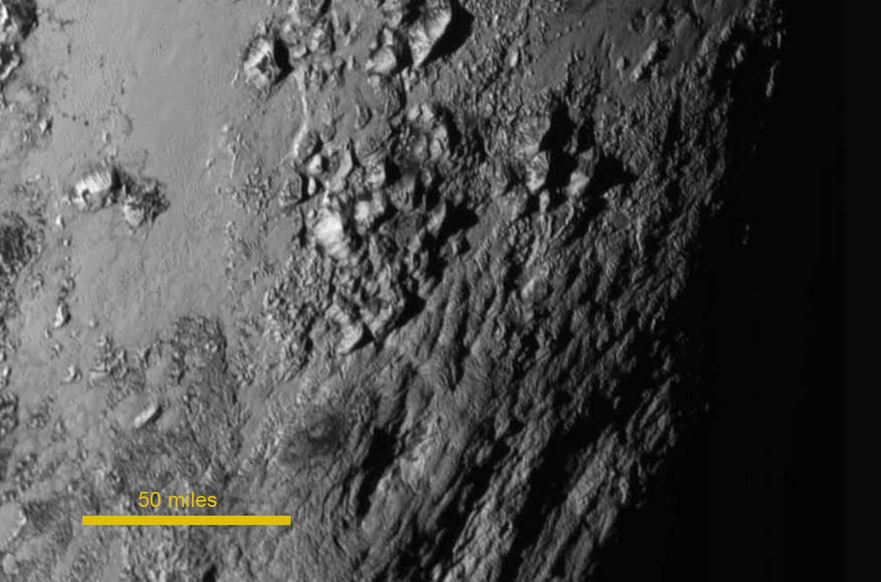
New close-up images of a region near Pluto’s equator reveal a giant surprise: a range of youthful mountains rising as high as 11,000 feet (3,500 meters) above the surface of the icy body. The mountains likely formed no more than 100 million years ago — mere youngsters relative to the 4.56-billion-year age of the solar […]
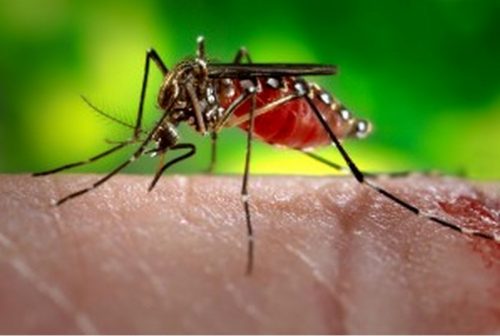
The itchy marks left by the punctured bite of a mosquito are more than pesky, unwelcomed mementos of a day at the lake. These aggravating bites can also be conduits for hitchhiking pathogens to worm their way into our bodies. Mosquitoes spread malaria, dengue, yellow fever and West Nile virus, among others. As the bloodsucking […]