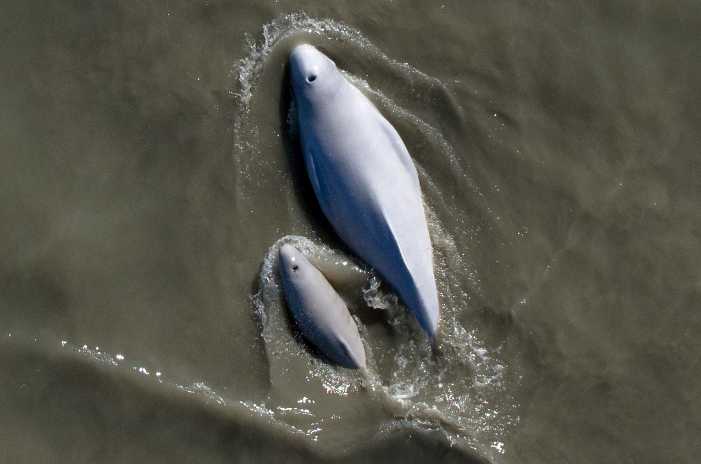
Beluga whales are highly social and vocal marine mammals. They use acoustics to navigate, find prey, avoid predators and maintain group cohesion. For Alaska’s critically endangered Cook Inlet beluga population, these crucial communications may compete with a cacophony of noise from human activities. New research from the University of Washington, the National Oceanic and Atmospheric Administration’s Alaska Fisheries […]
URBANA, Ill. — Natural resource management decisions in protected areas impact more than the wildlife and landscapes they’re charged to conserve. They also affect neighbors, who could otherwise hunt, build, or recreate as they choose on their own land. For decades, community members primarily voiced their opinions through brief and impersonal public comment periods. But […]
For more than a century, American cities have been sliced and diced by high-traffic roadways. Interstate highways and wide arterials are now a defining feature of most metropolitan areas, their constant flow of cars spewing pollution into nearby neighborhoods. Researchers have only just begun to understand the health risks posed by all that pollution. Long-term exposure to […]
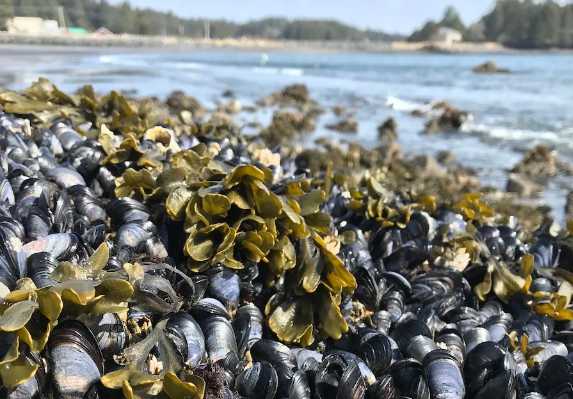
The Kodiak region of Alaska has had a long-standing problem with paralytic shellfish poisoning, the dominant harmful algal bloom (HAB) concern in Alaska. A new five-year research partnership led by Alaska Sea Grant will enhance capacity for HAB monitoring by building on efforts of tribal members in the Koniag region with the addition of rapid […]