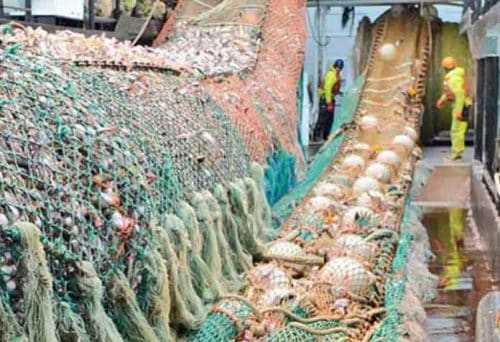
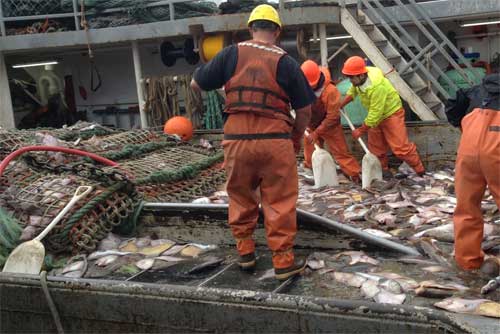
Crewmembers haul full bag of pollock aboard. Image-NOAA
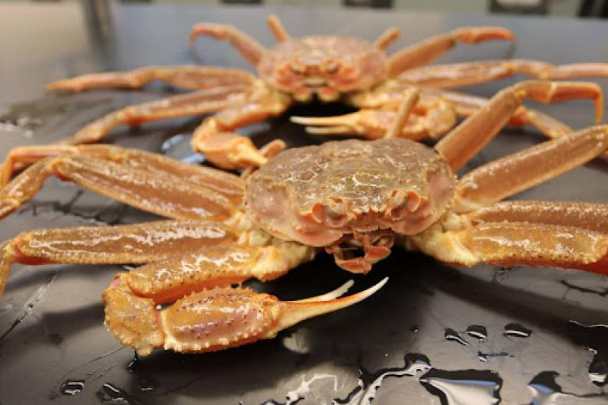
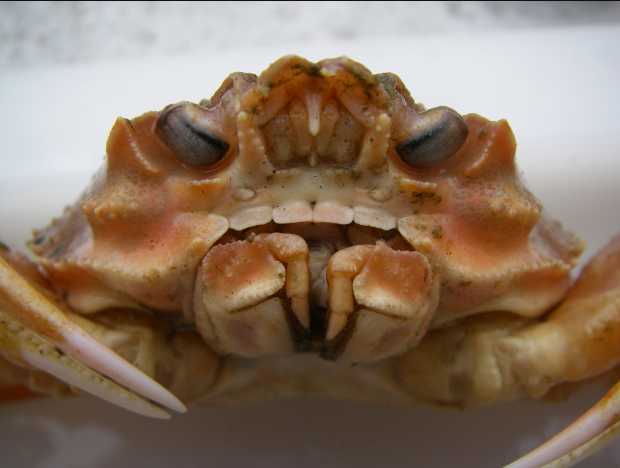
Alaska’s seafloor is not empty space. It is a living habitat that provides shelter, feeding grounds, and structure for the species that sustain our fisheries. Crab depend on bottom habitat for protection and survival. Juvenile rockfish use structures such as cold-water corals and other complex seafloor habitat as refuge. Halibut feed along the seabed. These habitats help support the broader food web that coastal communities, working waterfronts, and local fishing economies rely on.
That is why Alaska’s existing distinction between pelagic trawl and bottom trawl gear is so important. Pelagic trawl gear is intended to operate in the water column, off the bottom. Bottom trawl gear is designed to fish in contact with the seafloor and is subject to different restrictions because of its habitat impacts. The problem is that in practice, this distinction has become difficult to verify. Evidence presented in federal management processes indicates that pelagic trawl gear can and does make substantial seafloor contact, including in areas where bottom trawling is not allowed.
That gap between definition, operation, and enforcement is the accountability problem.
The Alaska Healthy Habitat Alliance (AHHA) has submitted three proposals before the Alaska Board of Fisheries that are designed to make the state’s existing pelagic trawl standard measurable and enforceable.
Proposal 163 gives the trawl fleet a chance to show what they have long maintained—that pelagic gear is fishing off the bottom. They can do this by collaborating with the Alaska Department of Fish and Game and industry; it would develop a system that is reliable and accurate.
Proposal 164 requires seafloor contact monitoring technology so that verification is based on actual gear operation in the water, not assumption or debate after the fact.
Proposal 165 recognizes that the fleet has already developed workable bycatch avoidance improvements. It extends salmon excluder use into state waters, building on a tool that has been tested and improved over time to reduce salmon bycatch in pollock fisheries.
These proposals do not prohibit pelagic trawling or shut down a fishery. They ask for something more basic: that fleets operating under a legal off-bottom gear type be able to demonstrate compliance, and that bycatch mitigation tools already recognized as best practice be used.
Alaska should not have to choose between access and accountability. A credible management system should be able to answer straightforward questions: How do our policies impact our habitat? Is pelagic gear staying off the seafloor?
Proposals 163, 164, and 165 are practical steps toward closing that accountability gap.
Sign the petitionif you agree that Alaska’s state waters should be managed with verifiable standards, enforceable rules, and real accountability for pelagic trawl operations.