By Tom Begich on Comments Off on Rural Alaska Deserves More Than Promises
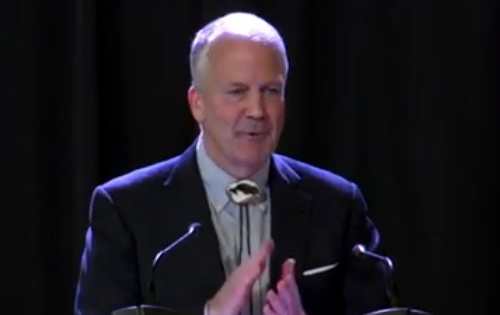
Tom Begich speaks during a press availability hosted by the minority caucus of the Alaska Senate on January 25, 2017. Marilyn Hauck/This file is licensed under the Creative Commons Attribution 3.0 Unported license.
Alaska faces unique energy challenges – from the railbelt to remote fish camps. In rural Alaska, where families face the highest energy costs in the country, the stakes are the difference between a thriving community and decline.
Across more than 200 communities off the Railbelt, electricity costs $0.50 to $1.00 per kilowatt-hour, compared to a national average of about $0.17. Heating fuel regularly tops $6 to $10 per gallon once it is shipped or flown in. Transportation fuels—gasoline and diesel—are priced just as high, straining families, local businesses, and school districts alike. In some villages, annual household energy bills exceed $10,000. That’s not just some inconvenience; it’s a crisis.
These costs ripple through every part of life. They drive up the price of groceries, threaten health clinics, and force schools to choose between teachers and a heated classroom. They crush economic hopes. When the cost of power is this high, it’s nearly impossible to create home businesses, attract small manufacturing, fish processing, or even allow for basic services. In some places, it’s worse: Akiak has gone without reliable power altogether—leaving families scrambling and businesses unable to function.
From the North Slope to Dillingham, Cook Inlet, and Southeast, rural Alaska’s resources built our infrastructure and the schools we all rely on. But time and again, rural communities have been left behind. Failed megaprojects, one-off pilots, and study after study have delivered little lasting change. The Power Cost Equalization program remains a lifeline but not a cure. It simply subsidizes high prices without reducing them. It’s necessary, but not enough. We have to look towards new opportunities for more affordable energy.
The answers are right here in Alaska. The people who manage diesel generators, chop wood for heat, keep schools running in January blizzards, and lead the world in microgrid research are the experts. They know what works. Too often, local solutions are proposed and forgotten. It’s time to flip the script.
So what would actually bring costs down?
1. Hybrid diesel-renewable microgrids. Most rural communities still depend almost entirely on diesel. Every gallon is shipped at high cost, stored in aging tanks, and burned in small, inefficient generators. Yet we know that pairing diesel with wind, solar, and forms of energy storage like batteries works to provide more affordable energy. Communities like Kodiak, Kotzebue, and Igiugig have already shown the way. These projects cut fuel use, stabilize power bills, and create jobs. The technology is here; what’s missing is the political will to scale it up across rural Alaska.
2. Modernized fuel logistics and heating solutions. Energy costs in rural Alaska aren’t high just because oil is expensive. They’re high because every step to provide these communities with fuel adds expense. Barges miss deliveries due to weather. Storage tanks are decades old and failing. Communities are forced to buy excess fuel at inflated prices just to hedge against outages. Coordinated bulk purchasing, modernized storage, and smart delivery scheduling could lower per-gallon costs by 10 to 20% immediately. At the same time, communities should be supported in deploying local heating solutions—from biomass to heat pumps—to reduce dependence on imported fuels. Lowering heating costs is just as vital as lowering electricity bills.
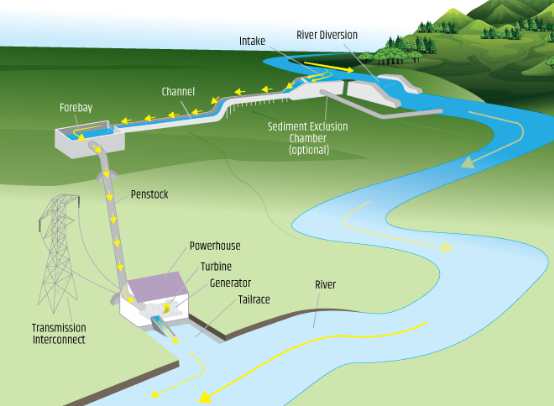
3. Community-driven innovation funds. Rural Alaska can, and should, be at the forefront of new energy opportunities and technologies. We need to put the resources into our local communities to provide a path to these alternatives. Establishing revolving funds governed by rural utilities, tribal organizations, and local governments would allow communities to finance the projects they know will work: biomass from local forests, geothermal, in-stream hydro, or advanced heating solutions. These resources could also be used to train local workforces to manage these efforts as well. With local control comes accountability, buy-in, and real results.
But Alaska needs something bigger: comprehensive energy cost planning. Rural energy isn’t just about electricity—it’s heating and transportation fuels too. Treating them as silos misses the point. High costs squash development, drive up the price of food and health care, and make it impossible to build new industries. Planning must integrate all energy needs to chart a path to affordability and growth.
Rural Alaska has carried Alaska for decades. Its lands and people provide the revenues that sustain our budget. They deserve more than promises, subsidies, and pilot projects. They deserve real solutions that lower bills, stabilize microgrids, and strengthen futures.
Tom Begich is a candidate for Governor of Alaska and former Alaska State Senator (D-Anchorage). He served as Senate Minority Leader from 2019 – 2023. He can be reached at info@tombegichforalaska.com