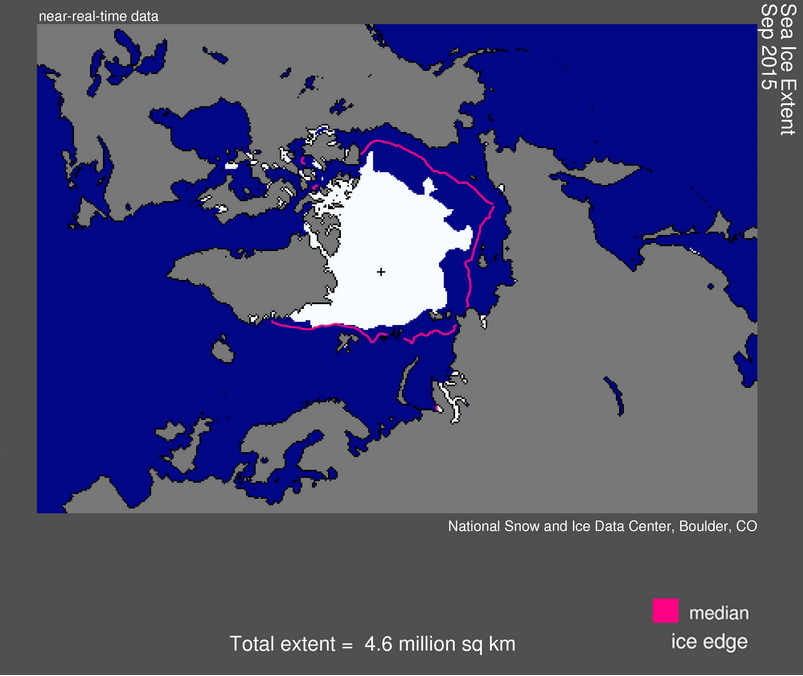
BOULDER, Colo., October 6, 2015—At the end of its melt season, the Arctic’s ice cover fell to the fourth lowest extent in the satellite record, both in the daily and monthly average, according to scientists at the National Snow and Ice Data Center (NSIDC). Sea ice extent hit 4.41 million square kilometers (1.70 million square miles) […]
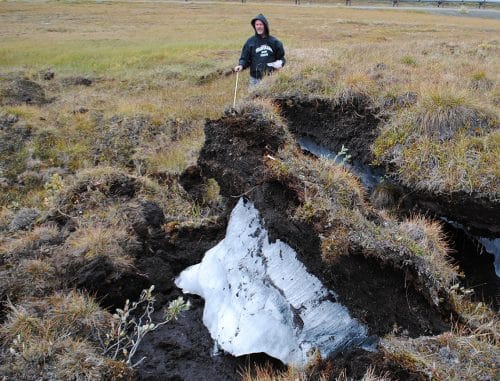
BOULDER, Colo., September 21, 2015–Greenhouse gas emissions from thawing Arctic permafrost could result in an additional $43 trillion in economic impacts by the end of the twenty-second century, according to a new study by researchers from the University of Cambridge and the National Snow and Ice Data Center. These extra impacts justify the need for […]
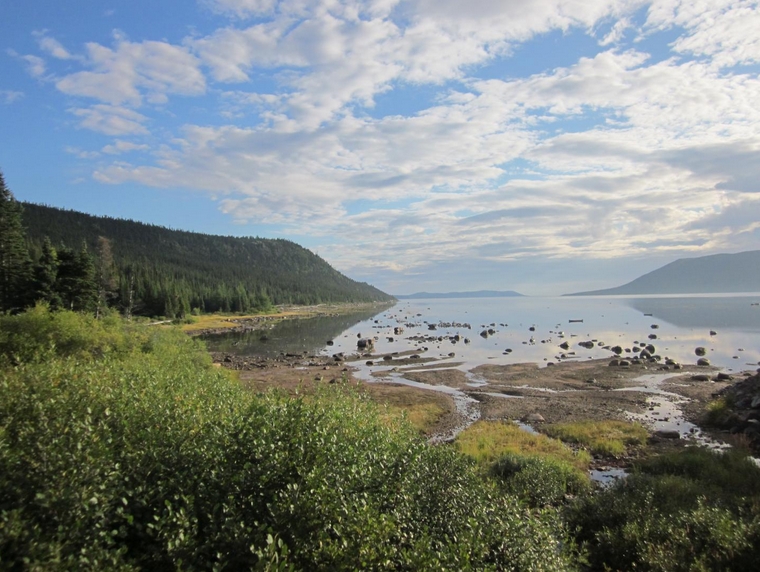
Methylmercury, a potent neurotoxin, is especially high in Arctic marine life but until recently, scientists haven’t been able to explain why. Now, research from the Harvard John A. Paulson School of Engineering and Applied Science (SEAS) and Harvard T.H. Chan School of Public Health suggests that high levels of methylmercury in Arctic life are a […]
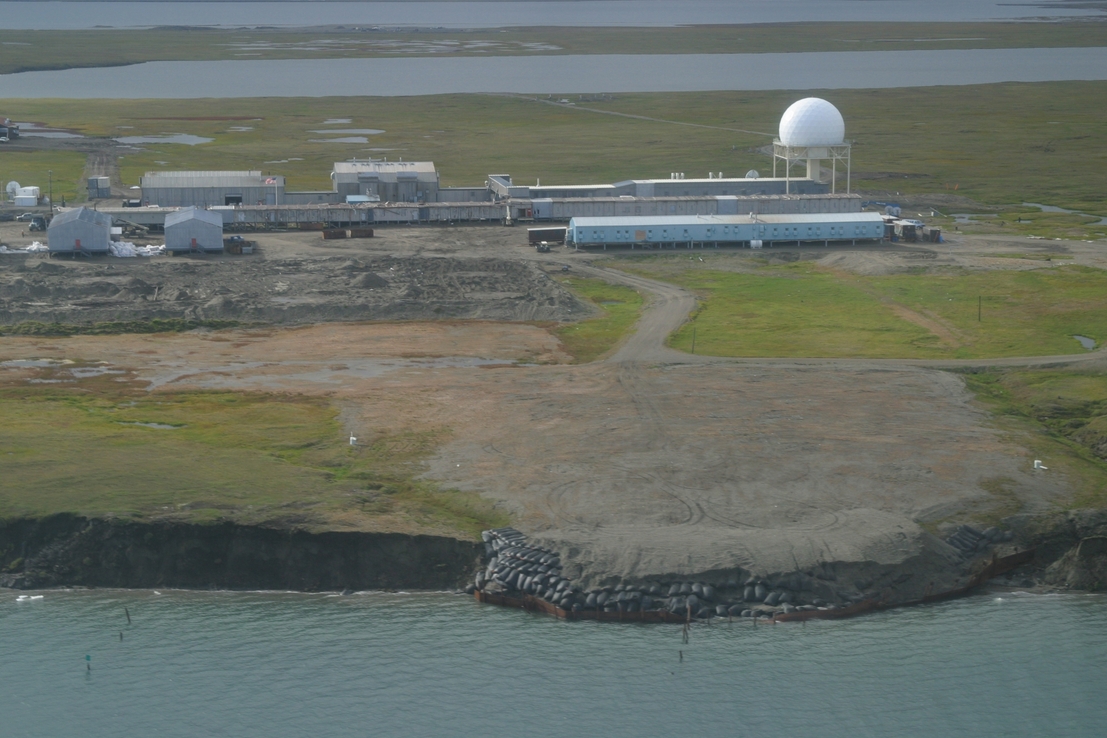
ANCHORAGE, Alaska — In a new study published today, scientists from the U.S. Geological Survey found that the remote northern Alaska coast has some of the highest shoreline erosion rates in the world. Analyzing over half a century of shoreline change data, scientists found the pattern is extremely variable with most of the coast retreating […]