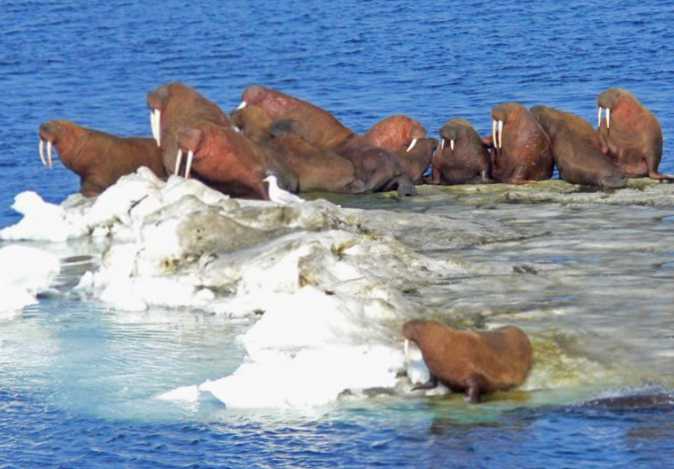
A new bulletin published by Alaska Sea Grant summarizes research to inform the public and help them understand the risk of paralytic shellfish toxins in Arctic Alaska food webs and marine mammals. Paralytic shellfish toxins—also called saxitoxins—are produced by microscopic marine algae and can cause paralytic shellfish poisoning (PSP) when people consume shellfish or marine […]
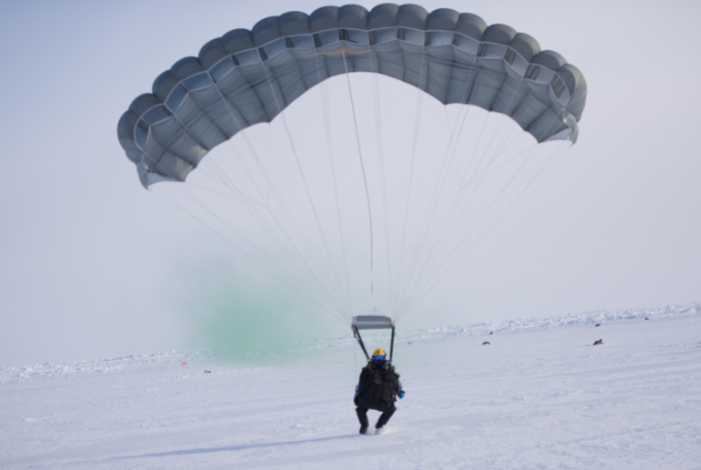
JOINT BASE ELMENDORF-RICHARDSON, Alaska — During a routine flight deep in the Alaska Interior, a small jetliner crashes with a dozen passengers. All survive the harrowing incident without serious injury, but now they’re facing subzero temperatures with the sprawling and towering Alaska Range separating them from rapid rescue by a 210th Rescue Squadron HH-60G Pave Hawk […]
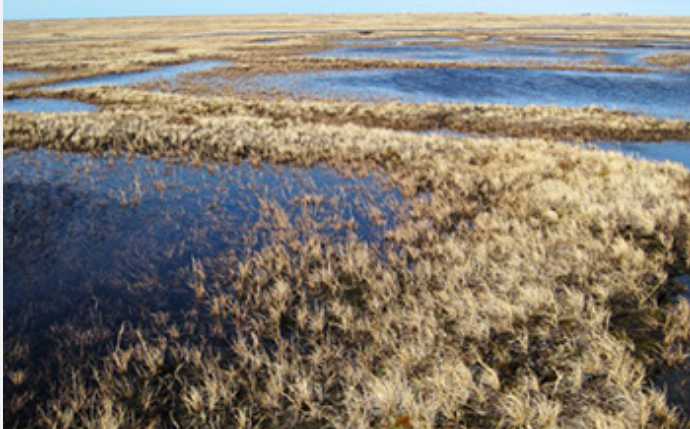
Permafrost — ground that has been permanently frozen for two or more years — makes up a large part of the Earth, around 15% of the Northern Hemisphere. Permafrost is important for the planet’s climate, containing large amounts of biomass stored as methane and carbon dioxide, making tundra soil a carbon sink. However, permafrost’s innate […]
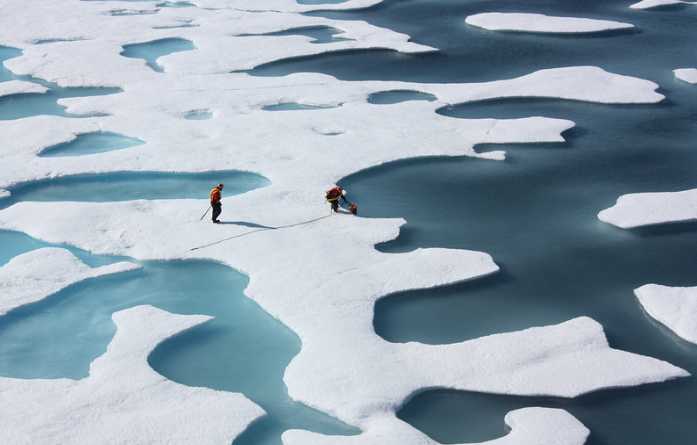
WASHINGTON—Over the past two decades, the Arctic has lost about one-third of its winter sea ice volume, largely due to a decline in sea ice that persists over several years, called multiyear ice, according to a new study. The study also found sea ice is likely thinner than previous estimates. Seasonal sea ice, which melts completely each […]