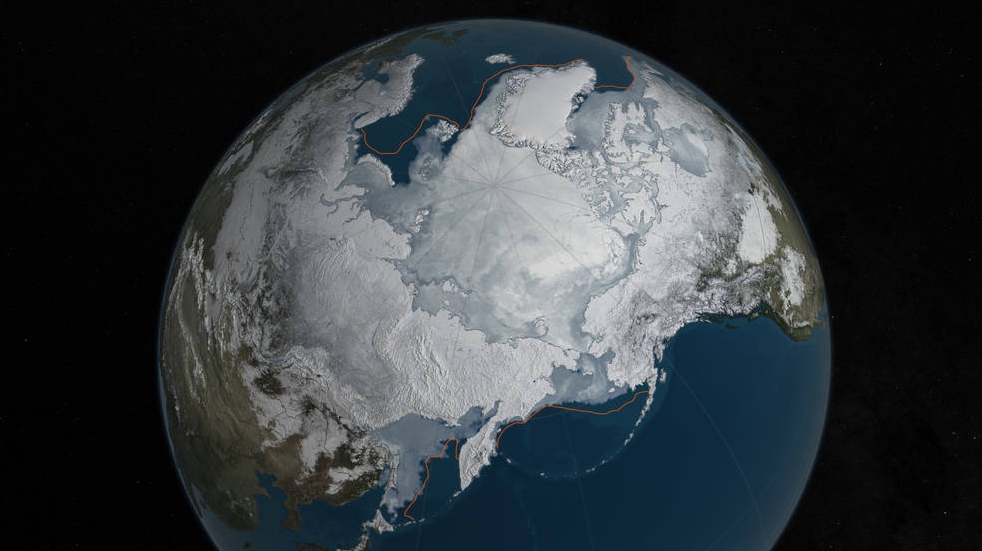
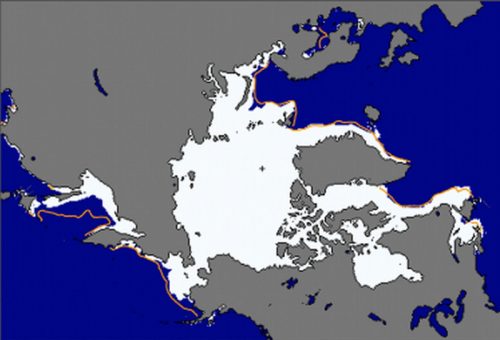
Arctic sea ice appears to have reached a record low wintertime maximum extent for the second year in a row, according to scientists at the NASA-supported National Snow and Ice Data Center (NSIDC) and NASA. Every year, the cap of frozen seawater floating on top of the Arctic Ocean and its neighboring seas melts during […]
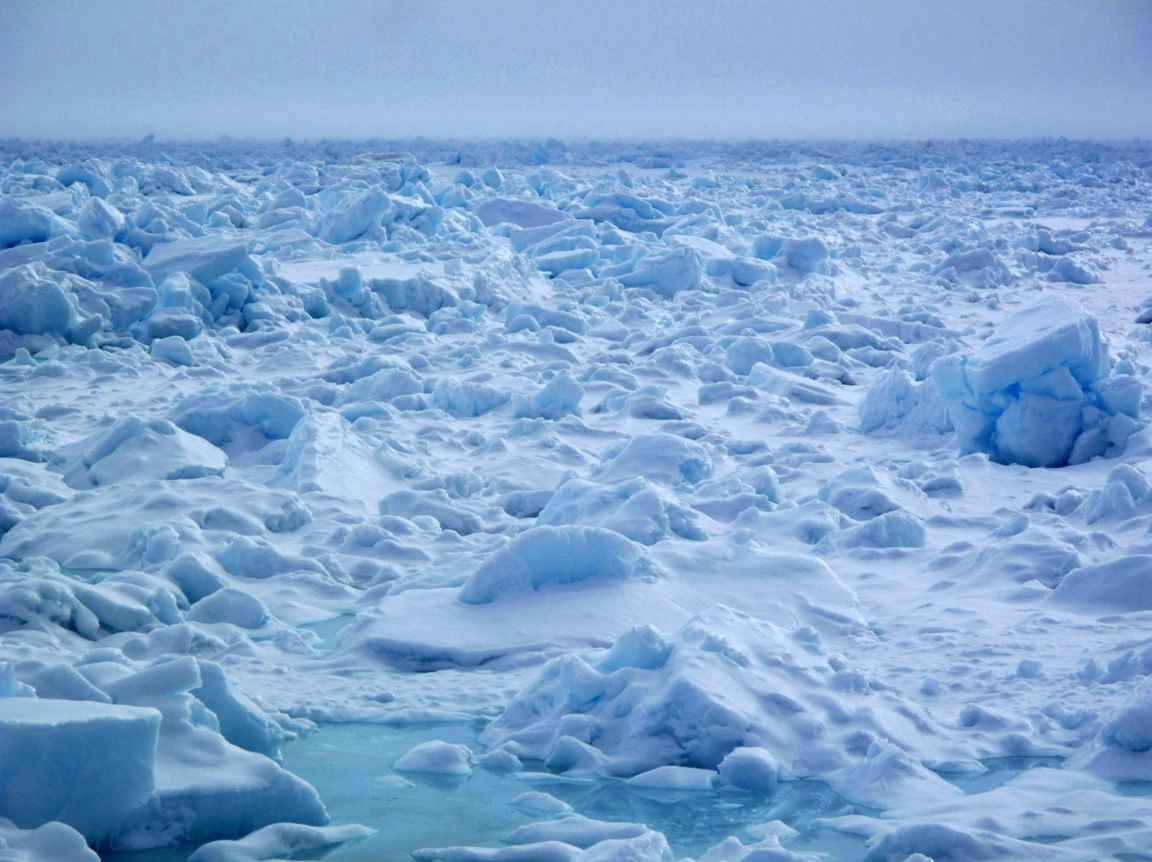
The ice floating on top of the world covers pretty much the entire Arctic Ocean in midwinter. By late summer it shrinks to half that much. If trends continue, by mid-century the summer ice may take up less space than Japan. As the Arctic Ocean becomes more blue, it absorbs much of the sun’s heat […]
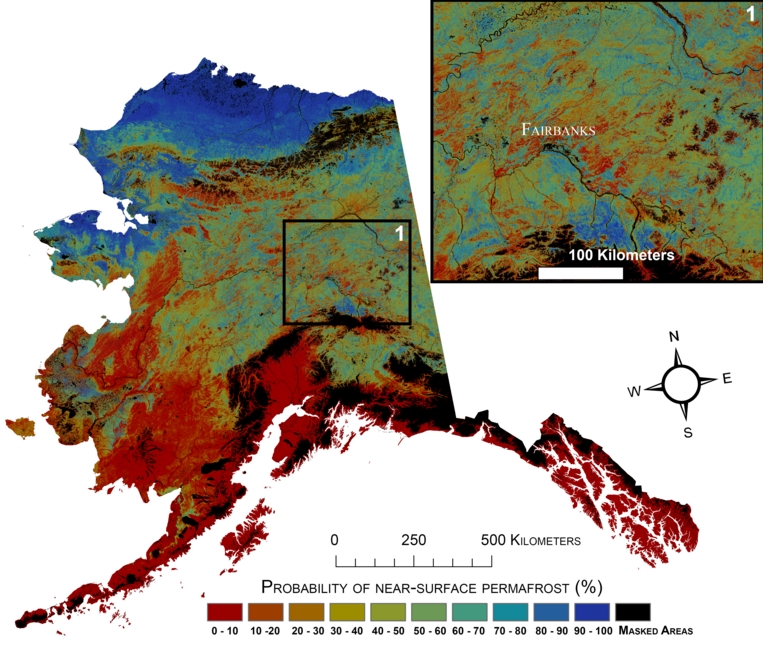
Using statistically modeled maps drawn from satellite data and other sources, U.S. Geological Survey scientists have projected that the near-surface permafrost that presently underlies 38 percent of boreal and arctic Alaska would be reduced by 16 to 24 percent by the end of the 21st century under widely accepted climate scenarios. Permafrost declines are more […]
On February 25, 2015, Arctic sea ice extent appeared to have reached its annual maximum extent, marking the beginning of the sea ice melt season. This year’s maximum extent not only occurred early; it is also the lowest in the satellite record. However, a late season surge in ice growth is still possible. NSIDC will post a detailed […]