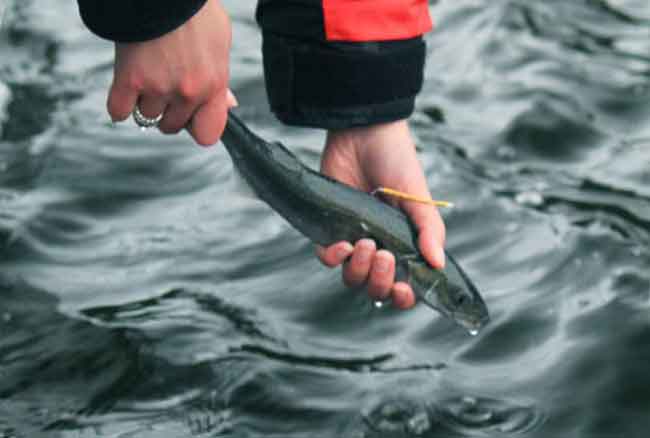
Sablefish, butterfish, black cod – by any name, people call this fish delicious. Its delicate texture, buttery flavor and rich omega-3 content add up to a high value fishery: while sablefish make up a small portion of commercial catch by volume, their high price generates a lot of income for Alaska’s seafood industry—a big economic […]
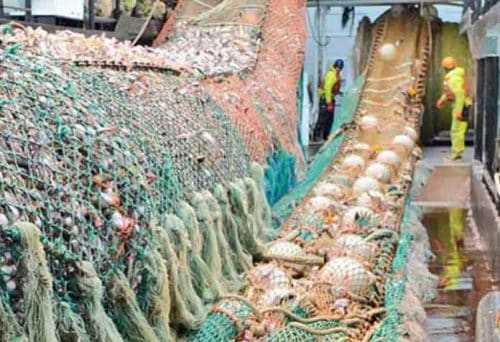
NOAA Fisheries is proposing to integrate electronic monitoring (EM) into the North Pacific Observer Program. An EM system uses cameras and associated sensors to passively record and monitor fishing activities-work traditionally accomplished by a human fisheries observer. Observers are trained biologists who collect scientific information while aboard commercial fishing vessels. This information contributes to the […]
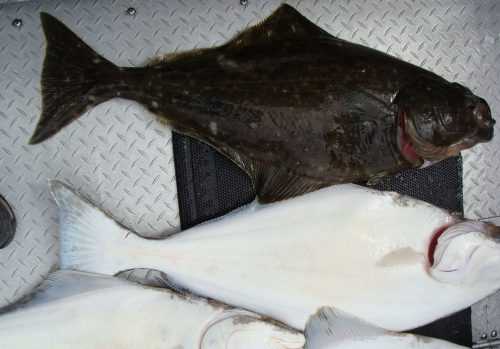
NOAA Fisheries provided notice of the immediate effect of regulations of the International Pacific Halibut Commission (IPHC). The commercial IFQ halibut season opens Saturday, March 11, 2017. At its annual meeting in January, the IPHC recommended to the governments of Canada and the United States catch limits for 2017 totaling 31.4 million pounds, a 5 percent […]
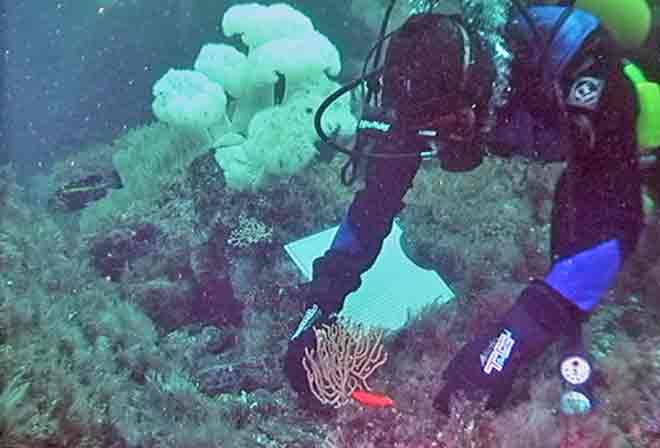
Managing fisheries means more than managing fish. To keep fisheries sustainable, managers need to make sure the ecosystems that support fish production stay healthy. An important part of Alaska’s marine ecosystems is the corals that create habitat for fish and their prey. Coral gardens provide refuge for fish, but may be vulnerable to fishing […]