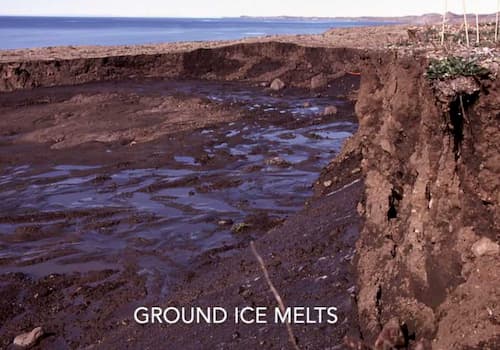
Increasing ground temperatures in the Arctic are indicators of global climate change, but until recently, areas of cold permafrost were thought to be relatively immune to severe impacts. A new study by Antoni Lewkowicz, a professor in the Department of Geography, Environment and Geomatics at the University of Ottawa and published in the journal […]
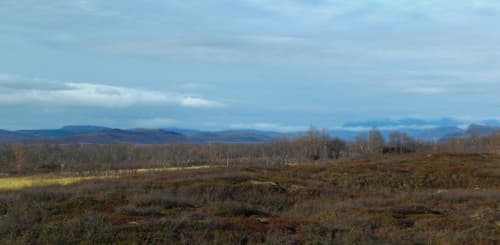
[dropcap]T[/dropcap]emperatures in the Arctic are rising twice as fast as in the rest of the world, causing permafrost soils to thaw. Permafrost peatlands are biogeochemical hot spots in the Arctic as they store vast amounts of carbon. Permafrost thaw could release part of these long-term immobile carbon stocks as the greenhouse gases carbon dioxide (CO2) […]
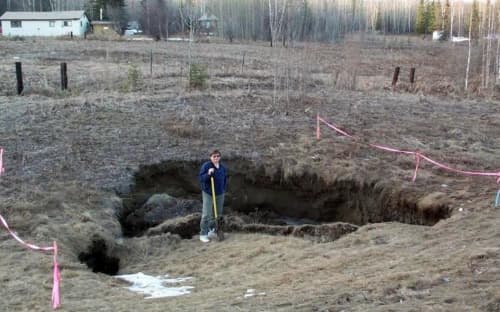
[dropcap]S[/dropcap]eventy percent of the current infrastructure in the Arctic has a high potential to be affected by thawing permafrost in the next 30 years. Even meeting the climate change targets of the Paris Agreement will not substantially reduce those projected impacts, according to a new study published in Nature Communications. “Much more needs to be […]
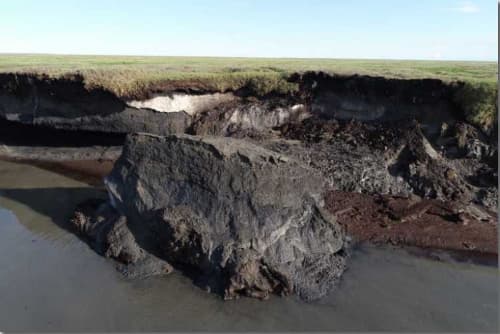
[dropcap]T[/dropcap]he frozen cliffs of Drew Point, Alaska, (population zero) are tumbling to the ocean faster than perhaps any other location in the Arctic. The sea has eaten house-size chunks of tundra at a rate of more than 50 feet per year recently. Ben Jones has watched pieces of Alaska’s northern coast disappear since 2003. […]