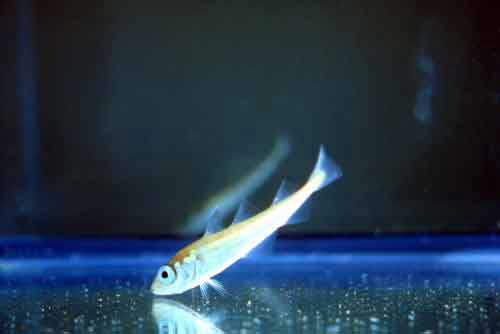
New study sheds light on myriad factors that likely contributed to low survival rate of fish born during a Blob year in the Gulf of Alaska. In 2015, NOAA Fisheries scientists saw the lowest number of pollock larvae in the 30-year history of their Gulf of Alaska spring survey. They also observed the lowest […]
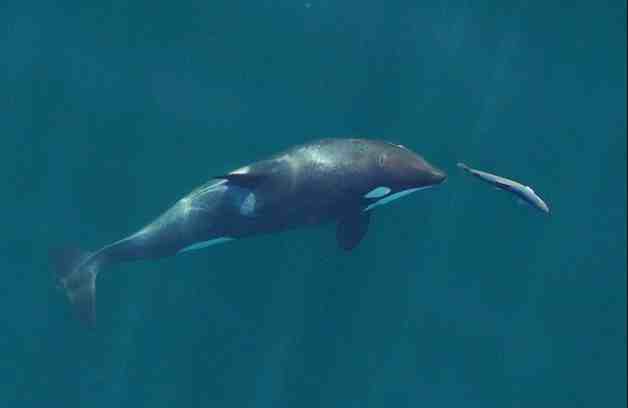
Written by: Michelle Ma | University of Washington Killer whales prefer to eat only the biggest, juiciest Chinook salmon they can find. The larger the fish, the more energy a whale can get for its meal. Each year these top ocean predators consume more than 2.5 million adult Chinook salmon along the West Coast. […]
Scientists simulated the Blob marine heatwave in the laboratory to assess the effects of past and future climate change on one of Alaska’s valuable commercial fish. Preliminary findings from a new laboratory study suggest that when ocean temperatures rise, lower fat prey leads to slower growth for juvenile Pacific cod. Scientists are evaluating how changes […]
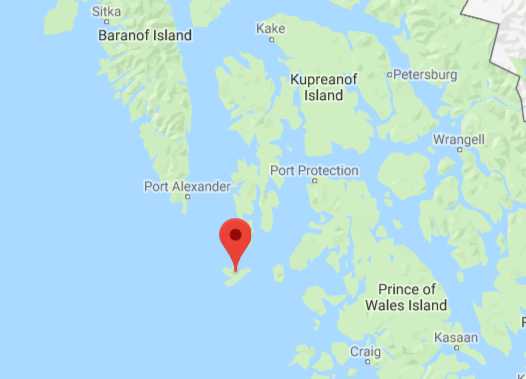
Alaska had been a state for one year in 1960 when its Department of Fish and Game conducted a wolf-planting experiment on Coronation Island in Southeast Alaska. At the time, the remote 45-square-mile island exposed to the open Pacific had a high density of blacktailed deer and no wolves. That summer, biologists from Fish […]