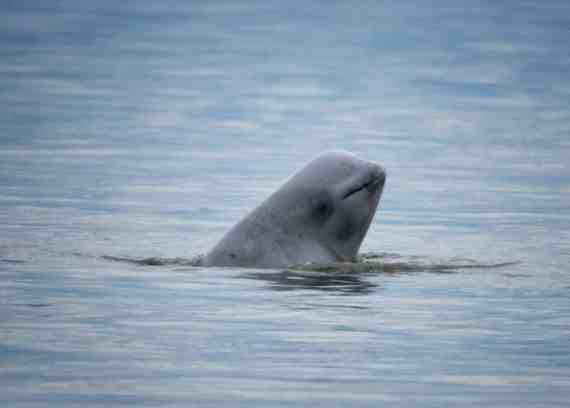
New information may help with recovery efforts for endangered Cook Inlet belugas. When listening to beluga whales, the sound of a crunch or a clapped jaw may be a reliable indication that a beluga whale just successfully captured or missed a fish. In a new published paper on beluga whales in Alaska, scientists analyzed sound data, collected […]
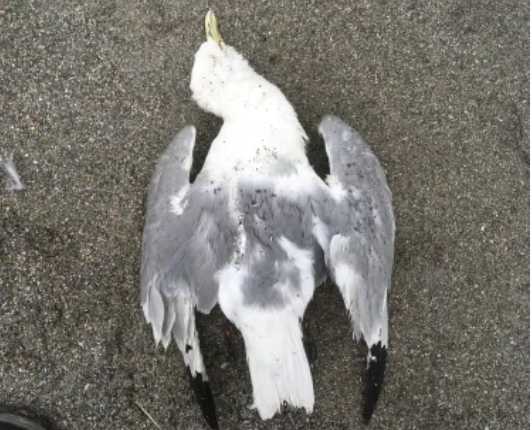
For the fifth year in a row, Gay Sheffield has been investigating unusual seabird deaths in Western Alaska in collaboration with Bering Strait residents, Kawerak Inc., the U.S. Fish and Wildlife Service and others. Sheffield is a marine mammal biologist and Alaska Sea Grant’s Marine Advisory Program agent in Nome. Part of her work involves […]
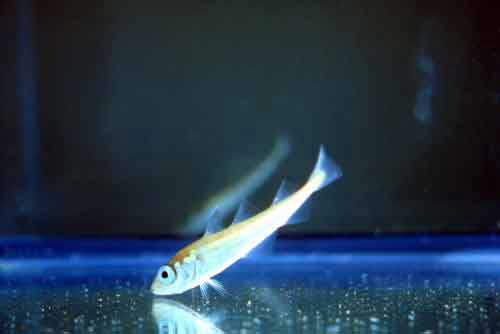
New study sheds light on myriad factors that likely contributed to low survival rate of fish born during a Blob year in the Gulf of Alaska. In 2015, NOAA Fisheries scientists saw the lowest number of pollock larvae in the 30-year history of their Gulf of Alaska spring survey. They also observed the lowest […]
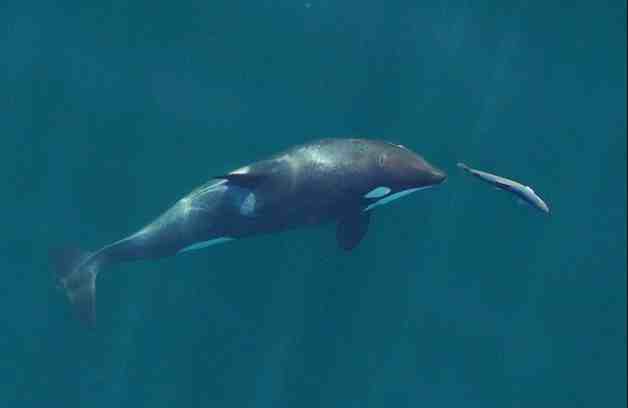
Written by: Michelle Ma | University of Washington Killer whales prefer to eat only the biggest, juiciest Chinook salmon they can find. The larger the fish, the more energy a whale can get for its meal. Each year these top ocean predators consume more than 2.5 million adult Chinook salmon along the West Coast. […]