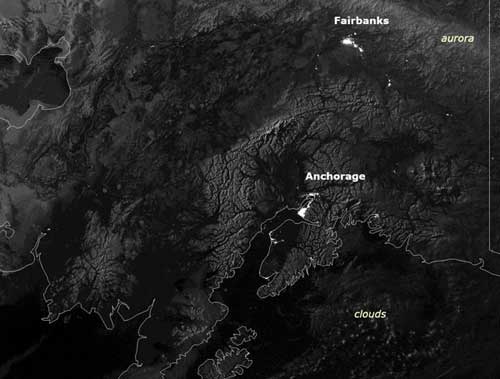
On Tuesday, Nov. 7, experts from NOAA will discuss how information from JPSS-1, the first in a series of four advanced NOAA polar-orbiting satellites called the Joint Polar Satellite System, will be used by scientists to help improve weather and natural hazard forecasts in Alaska. The instruments aboard the new satellite will provide more than […]
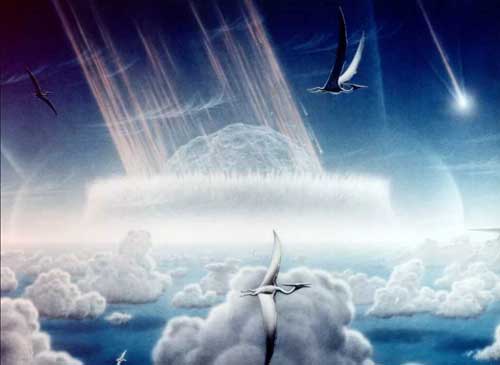
WASHINGTON D.C. — The Chicxulub asteroid impact that wiped out the dinosaurs likely released far more climate-altering sulfur gas into the atmosphere than originally thought, according to new research. A new study makes a more refined estimate of how much sulfur and carbon dioxide gas were ejected into Earth’s atmosphere from vaporized rocks immediately after the […]
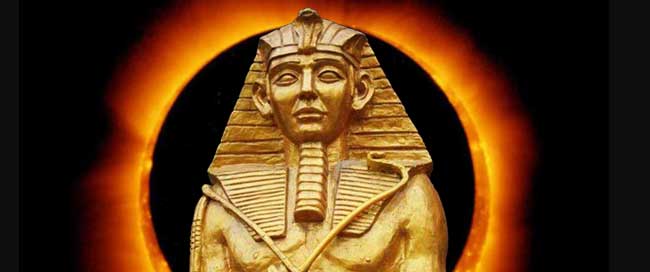
Researchers have pinpointed the date of what could be the oldest solar eclipse yet recorded. The event, which occurred on 30 October 1207 BC, is mentioned in the Bible and could have consequences for the chronology of the ancient world. Using a combination of the biblical text and an ancient Egyptian text, the researchers were […]
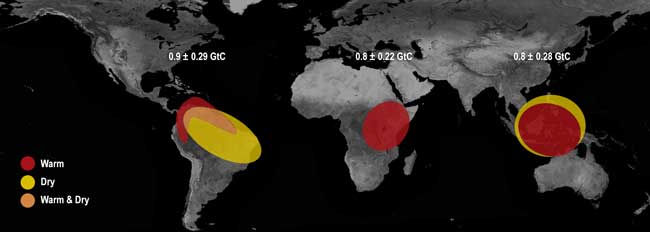
A new NASA study provides space-based evidence that Earth’s tropical regions were the cause of the largest annual increases in atmospheric carbon dioxide concentration seen in at least 2,000 years. Scientists suspected the 2015-16 El Nino — one of the largest on record — was responsible, but exactly how has been a subject of ongoing […]