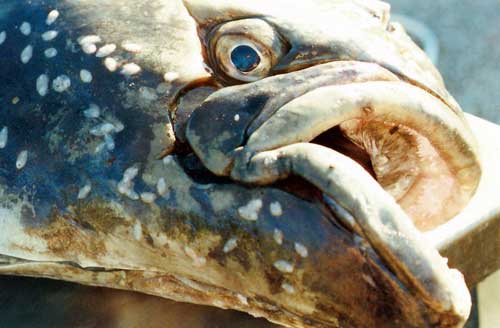
Like old-growth trees in a forest, old fish in the ocean play important roles in the diversity and stability of marine ecosystems. Critically, the longer a fish is allowed to live, the more likely it is to successfully reproduce over the course of its lifetime, which is particularly important in variable environmental conditions. A new study by […]
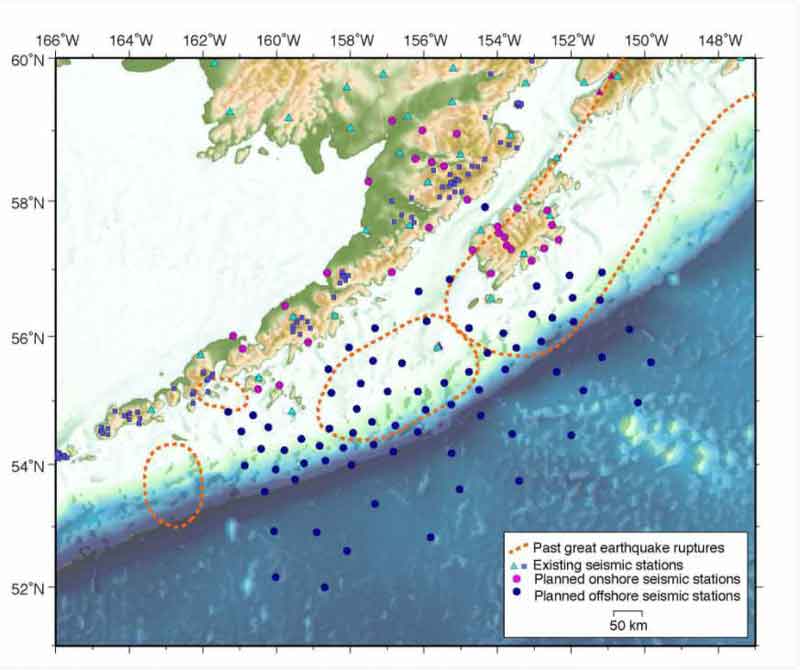
The National Science Foundation is funding the largest marine seismic-monitoring effort yet along the Alaska Peninsula, a region with frequent and diverse earthquake and volcanic activity. Involving aircraft and ships, the new Alaska Amphibious Community Seismic Experiment will be led by Cornell University in Ithaca, New York, with partners at the University of Washington and seven other […]
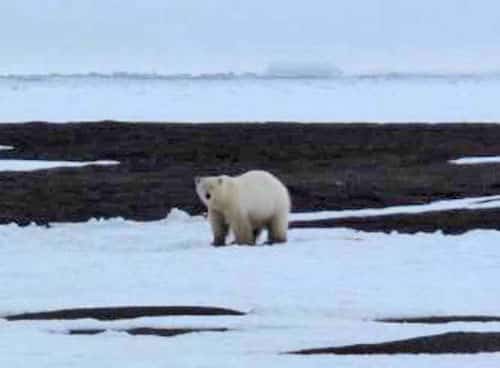
An ancient jawbone has led scientists to believe that polar bears survived a period thousands of years ago that was warmer than today. Sandra Talbot of the USGS Alaska Science Center in Anchorage was one of 14 scientists who teamed to write a paper based on a polar bear jawbone found amid rocks on a […]
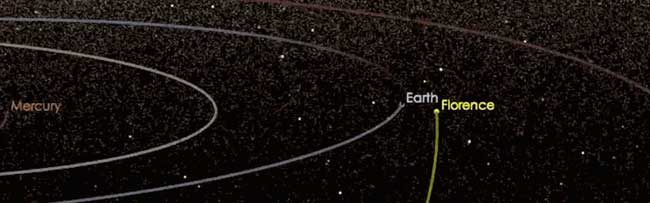
Asteroid Florence, a large near-Earth asteroid, will pass safely by Earth on Sept. 1, 2017, at a distance of about 4.4 million miles, (7.0 million kilometers, or about 18 Earth-Moon distances). Florence is among the largest near-Earth asteroids that are several miles in size; measurements from NASA’s Spitzer Space Telescope and NEOWISE mission indicate it’s […]