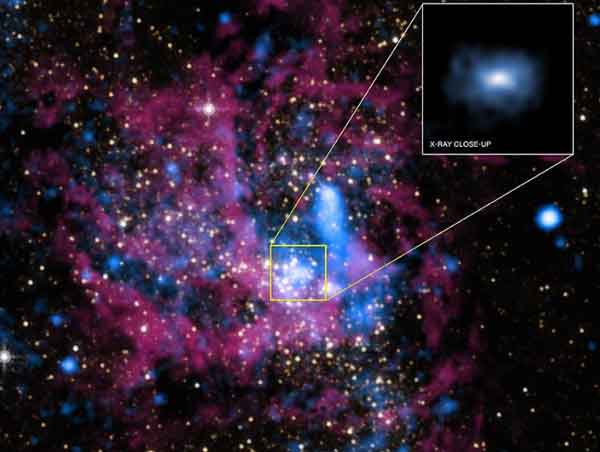
Scientists at Princeton University and the U.S. Department of Energy’s (DOE) Princeton Plasma Physics Laboratory (PPPL) have developed a rigorous new method for modeling the accretion disk that feeds the supermassive black hole at the center of our Milky Way galaxy. The paper, published online in December in the journal Physical Review Letters, provides […]
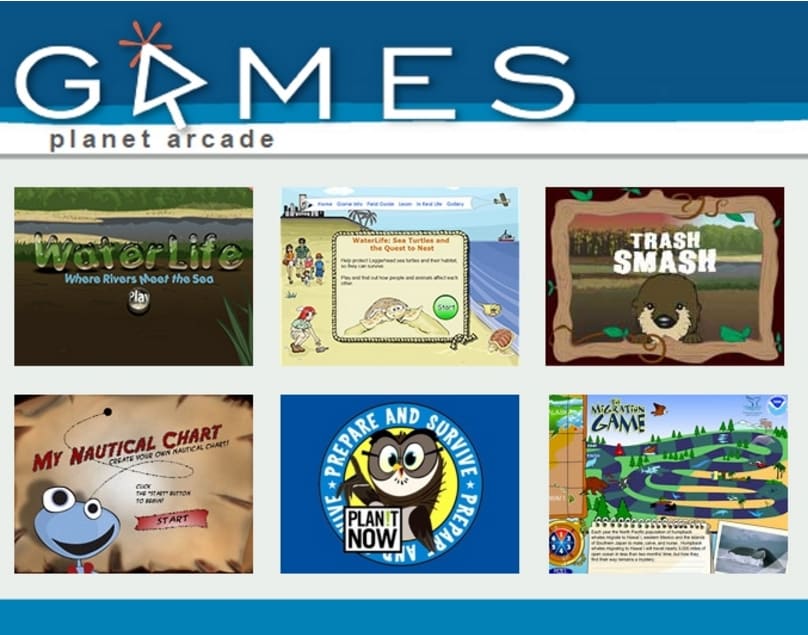
Do you have kids or students craving online games? Then NOAA’s Planet Arcade is the perfect place for today’s young gamers to experience the world of science through gaming, especially over the holidays and school breaks. The arcade is a portal to 26 educational games and interactive activities — all focused on ocean science and […]
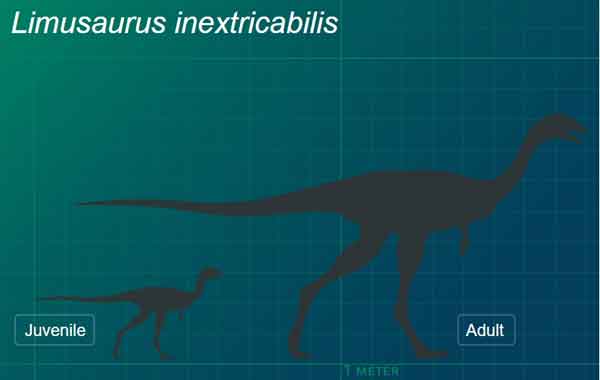
WASHINGTON (Dec. 22, 2016)—Researchers have discovered that a species of dinosaur, Limusaurus inextricabilis, lost its teeth in adolescence and did not grow another set as adults. The finding, published today in Current Biology, is a radical change in anatomy during a lifespan and may help to explain why birds have beaks but no teeth. […]
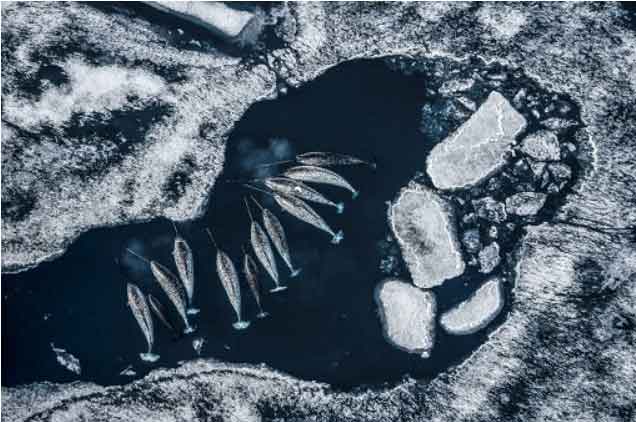
For the last 40 years, I’ve roamed the polar regions of our world. I started as a child, growing up in an Inuit community on Baffin Island, Canada, where I learned from the Inuit people not just to survive in our environment — but to thrive in and love the Arctic for all it had […]