Tribal Leaders Decry Renewed Threats to Tongass: “We Are the Forest, and the Forest Is Us”
By Mischa Chernick | KIC Tribe on Comments Off on Tribal Leaders Decry Renewed Threats to Tongass: “We Are the Forest, and the Forest Is Us”
, President Gloria Ilsxileé Stáng Burns of the Ketchikan Indian Community (KIC)
Ketchikan, AK – In a powerful statement of resistance, President Gloria Ilsxileé Stáng Burns of the Ketchikan Indian Community (KIC) condemned ongoing efforts to lift protections from the Tongass National Forest, warning that the future of Indigenous communities and ecosystems alike hang in the balance.
“We, the people of Kichxáan, are the Tongass,” Burns declared. “You cannot separate us from the land. We depend on Congress to update the outdated and predatory, antiquated laws that allow other countries and outside sources to extract our resource wealth.”
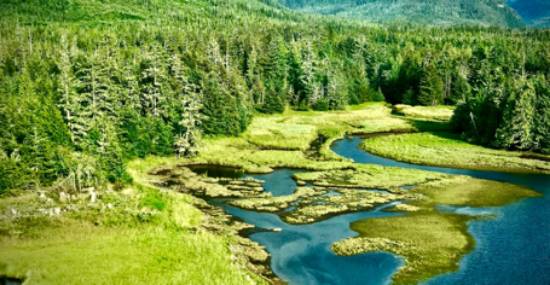
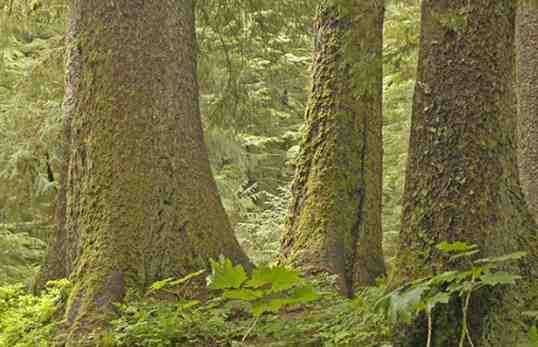
The renewed threat comes amid a controversial push to repeal the Roadless Rule protections on more than 9 million acres of the Tongass—the largest intact temperate rainforest in the world. Tribal and environmental advocates argue that opening the area to industrial logging, mining, and roadbuilding undermines not only biodiversity and climate goals but centuries of stewardship by Indigenous peoples.
“This is an attack on tribes and our people, who depend on the land to eat,” Burns emphasized. “Act and provide us the safeguards we need or leave our home roadless. We are not willing to risk the destruction of our homelands when no effort has been made to ensure our future is the one our ancestors envisioned for us.”
Known as “America’s Amazon,” the Tongass stores vast amounts of carbon, shelters endangered species, and sustains Indigenous communities who have relied on it for generations. President Burns called attention to this vital role: “Without our lungs—the Tongass—we cannot breathe life into our future generations.”
Tribal Nations have been on the frontlines of a continuous battle to protect the Tongass National Forest from federal rollbacks. “Since I was a kid, I remember my Mom fought this fight,” stated Burns. When the Trump administration first attempted to strip Roadless Rule protections, Ketchikan Indian Community and other tribes took the fight to court. President Biden restored those protections in 2023—offering a brief reprieve— but the announcement yesterday by the Trump administration to again rescind those safeguards has reignited the struggle.
Throughout it all, tribes have never stopped fighting. Their resistance is grounded in traditional and ecological knowledge, and a deep responsibility to protect the Tongass as a source of food, culture, and climate stability for future generations.
As climate impacts escalate globally, leaders like Burns are calling for a new era of governance—one rooted in relational accountability, where the land is seen as a living, breathing being, guided by the spirits within it. KIC, a landless Tribe excluded from land allocations under the Alaska Native Claims Settlement Act (ANSCA), calls for land restitution and a return to Indigenous stewardship that values long-term balance over short-term profit. “Our connection to this forest is not symbolic,” said Burns. “It is our food, our medicine, our spirit. If the Tongass falls, so do we.”