By NASA on Comments Off on Big Year for NASA’s IceBridge in 2017
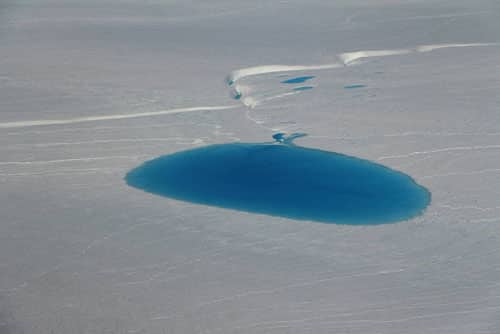
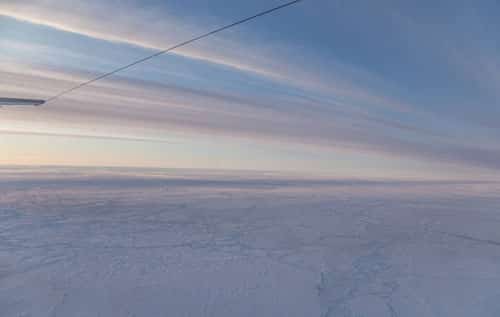
From the South Pole to Greenland, from Alaska’s glaciers to Svalbard, NASA’s Operation IceBridge covered the icy regions of our planet in 2017 with a record seven separate field campaigns.
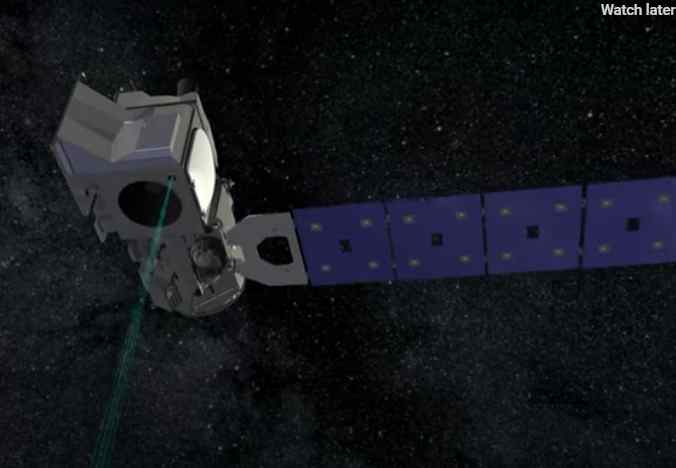
The mission of IceBridge, NASA’s longest-running airborne science program monitoring polar ice, is to collect data on changing ice sheets, glaciers, and sea ice, and maintain continuity of measurements between ICESat satellite missions.
Read more: www.nasa.gov/feature/goddard/2018/big-year-for-icebridge Credit: NASA’s Goddard Space Flight Center/Jefferson Beck If you liked this video, subscribe to the NASA Goddard YouTube channel: https://www.youtube.com/NASAExplorer


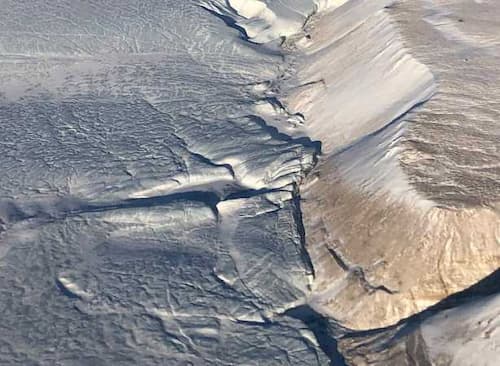
![Yakutat Icefield, an expanse of ice of about 310 square miles in southeast Alaska, is considered by glaciologists to be among the ‘walking dead’. The icefield no longer has an accumulation zone – the upper part of a glacier, where mass gains from snowfall exceed ice loss. [NASA/Maria-José Viñas]](https://alaska-native-news.com/wp-content/uploads/glacier-2.jpg "A Decade of Exploring Alaska's Mountain Glaciers")