As the state with more coastline than the rest of the country combined, Alaska has a direct stake in the health of our oceans, fisheries, marine ecosystems, and coastal communities. For this reason, I have supported numerous federal programs and legislative efforts that strengthen ocean research, improve marine debris response, protect coastal communities, and support the Alaskans whose livelihoods depend on healthy oceans.
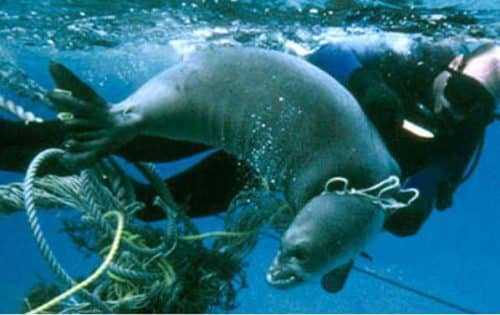
A critical issue that has been a particular focus of my work in this space is marine debris. Marine debris—especially plastics and other forms of ocean pollution—poses a serious threat to coastal ecosystems, marine life, and our coastal communities that depend on healthy oceans. To address this challenge, I authored the Save Our Seas Act, signed into law in 2018, and the Save Our Seas 2.0 Act, signed into law in 2020. SOS 2.0, which I worked closely on with Senator Sheldon Whitehouse of Rhode Island, is the most comprehensive ocean debris legislation ever passed by Congress. SOS 2.0 also established the congressionally chartered Marine Debris Foundation, which is now headquartered in Juneau.
Building on this work, my SOS 2.0 Amendments Act was signed into law in December 2025, strengthening the Marine Debris Foundation and reauthorizing NOAA’s Marine Debris Program. I am also working to pass my Save Our Seas 2.0 Marine Debris Infrastructure Programs Reauthorization Act, which would reauthorize proven Environmental Protection Agency grant programs that combat plastic waste and microplastics. At the same time, I am developing SOS 3.0 to build on the success of the first two Save Our Seas laws.
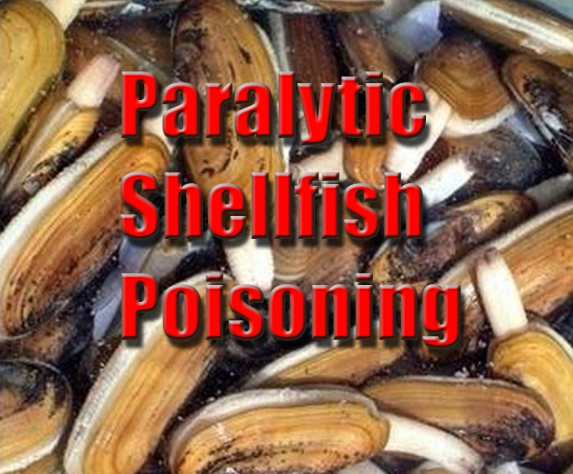
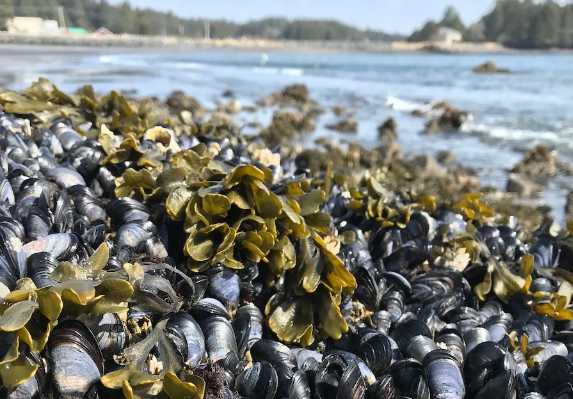
Another serious threat to Alaska’s coastal resources is harmful algal blooms. HABs can endanger marine life, damage coastal ecosystems, threaten commercial, recreational, and subsistence fisheries, and put the health and well-being of Alaskans at risk. That is why I introduced the Harmful Algal Bloom and Hypoxia Research and Control Amendments Act to reauthorize and strengthen the original 1998 law. This legislation will help ensure communities have access to HABs observation data, monitoring and mitigation training, and testing for HABs toxins. The bill passed the Senate in September 2025.
To build on these specific issues, as well as support additional oceanographic programs in our state, I continue to support the NOAA Sea Grant Program and the Integrated Ocean Observing System, two important programs that strengthen ocean research, coordination, and public-private partnerships. I am a cosponsor of legislation to reauthorize these programs, and I support robust funding for both programs every year.
There is more work to do to address plastic pollution, marine debris, and harmful algal blooms in Alaska and around the world. I will continue working with colleagues on both sides of the aisle to advance practical, lasting solutions. The health of our oceans, fisheries, and marine life should never be a partisan issue—it is a responsibility we all share.