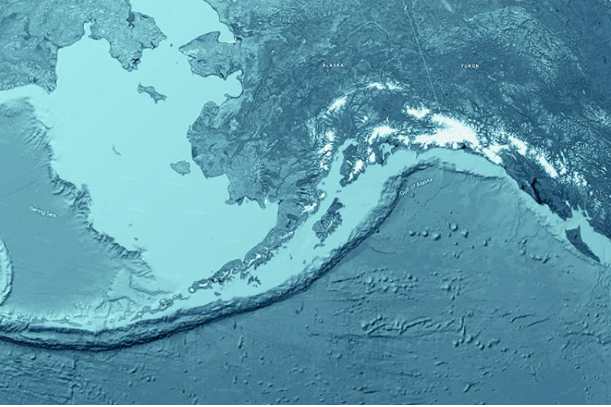
WASHINGTON, D.C. – U.S. Senators Dan Sullivan and Lisa Murkowski, and Congressman Nick Begich (all R-Alaska), have introduced the Bycatch Reduction and Research Act. The legislation, which builds on Sen. Sulivan’s landmark Alaska Salmon Research Task Force Act, would improve marine environmental data collection, particularly in the Bering Sea, Aleutian Islands, and Gulf of Alaska; prioritize technology that supports research, bycatch reduction, and protection of marine seafloor habitat; advance, streamline, and enhance electronic monitoring and electronic reporting in United States fisheries; and establish a fund to provide financial assistance for the deployment of gear and technology for reducing bycatch and marine seafloorhabitat contact from trawl fishing gear.
“In recent years, Alaskans have witnessed unprecedented declines among some fish and crab species in parts of the state while, in other parts, runs have been strong and historic,” said Sen. Sullivan. “We need to get to the bottom of all potential causes of this increased variability, including concerns about bycatch and trawl gear habitat impacts, to strengthen the sustainability of our fisheries. My Bycatch Reduction and Research Act will continue to close the research gaps—building on the important work that was started by the Alaska Salmon Research Task Force Act, bolster our data collection, monitoring and reporting capabilities, improve the use of electronic monitoring technologies, and rapidly advance the use of equipment that will reduce bycatch. I urge my colleagues to advance this important legislation aimed at deepening our understanding of the unprecedented variability of our fish and crab stocks and reducing the incidence of bycatch.”
“Alaska’s fisheries are facing unprecedented challenges as our marine ecosystems are changing faster than ever before,” said Sen. Murkowski. “The Bycatch Reduction and Research Act of 2025 builds on the important work already underway by closing critical data gaps, strengthening research, and investing in practical tools that help fishermen reduce bycatch while protecting critical habitat. This thoughtful, science-based approach brings together researchers, managers, and industry to better understand what’s happening in our waters and ensure Alaska’s fisheries remain sustainable for generations to come.”
“The Bycatch Reduction and Research Act is an important first step toward putting Alaska fisheries on a more sustainable path by addressing the lack of abundance and impacts of trawl bycatch,” said Congressman Begich. “This legislation reflects what Alaskans have asked for: greater transparency, better monitoring, and practical solutions that involve fishermen and their expertise. By modernizing electronic monitoring, improving real-time genetic stock identification, and investing in new gear and technology that reduce bycatch and habitat impacts, this legislation supports innovation without placing additional burdens on small operators. Importantly, this bill helps fishermen be part of the solution – testing new gear and providing financial assistance to reduce bycatch and habitat. This legislation focuses on what must come first: better data and better tools. While this legislation does not solve every challenge facing Alaska fisheries overnight, by strengthening transparency and technology, this bill lays the groundwork for smarter management decisions and stronger future action to restore abundance and sustain our fishing families and communities.”
“The Yukon River Drainage Fisheries Association supports this legislation as a vital step to address significant data and research deficiencies, particularly within the Bering Sea, Aleutian Islands, and Gulf of Alaska,” said Serena Fitka, executive director for the Yukon River Drainage Fisheries Association (YRDFA) and an Arctic Yukon Kuskokwim Working Group member of the Alaska Salmon Research Task Force. “This action is essential due to the critically low abundance of salmon stocks returning to western Alaska to spawn. By investing in the necessary science and monitoring tools to close existing research gaps, we can effectively address the concerns facing our wild salmon populations. This benefits not only the people of Alaska who rely on these resources but also the entire fishing industry.”
“I applaud Senator Sullivan for introducing this Bycatch Reduction and Research Act,” said Captain Bob Candopoulos, Alaskan sportfish and charter leader and owner of Saltwater Safari Company. “Last summer, I raised my concerns with him about our state’s bycatch challenges, and we had a productive discussion about using innovative technologies including improved fishing gear designs, sensors, and other tools to help reduce bycatch and protect the ocean floor. I appreciate how he took my ideas seriously and moved quickly to incorporate them into this legislation. It is encouraging to see my concerns reflected in this bill, and how he proactively continues to address bycatch by taking meaningful steps to ensure the long-term sustainability of our fisheries.”
“There is clear and growing concern across Alaska about the impact of bottom trawling on seafloor habitat and the fisheries important to Alaskans,” said Linda Behnken, executive director of the Alaska Longline Fishermen’s Association. “Senator Sullivan’s bill responds to that concern by providing funding for research and technology to reduce these impacts. Our members applaud Senator Sullivan’s investment in reducing bycatch and the impacts of bottom trawling.”
“Senator Sullivan’s bycatch bill takes action to address research gaps, prioritize technology advances, and provide funds for bycatch reduction and habitat protections,” said Gabriel Prout, third generation Bering Sea crab fisherman and president of Alaska Bering Sea Crabbers. “These actions are exactly the types of things needed to keep Alaska’s fisheries healthy.”
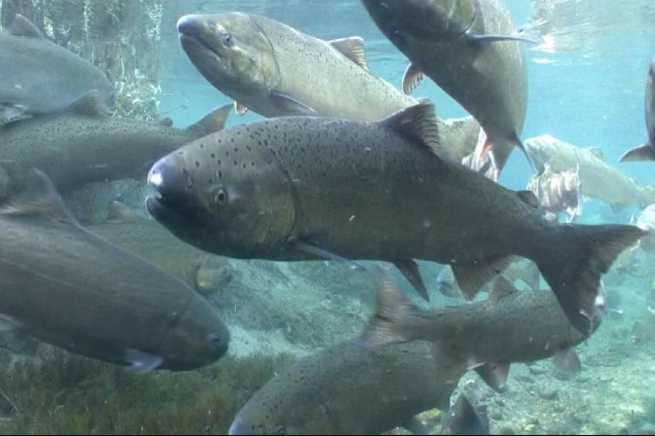
“As the largest and leading advocacy organization for sportfishing in Alaska, we work closely with the angling community and we see firsthand the importance of gathering the best available science to inform policy decisions,” saidShannon Martin, executive director of Kenai River Sportfishing Association. “This legislation would provide much needed funding to bridge critical data and research gaps and would meaningfully benefit Alaska’s fishery resources, the marine environment, and all fishing industry user groups. In particular, we appreciate that this bill provides measures for salmon tagging and genetic sampling research in the Gulf of Alaska, along with enhanced observer coverage in the commercial fishery through electronic monitoring. These provisions directly enhance KRSA’s mission to ensure the long-term sustainability of Alaska’s fisheries by strengthening data collection and management tools and represent a critical step forward in responding to the ongoing decline of Alaska Chinook salmon stocks.”
“As both a commercial fisherman and a salmon scientist, I see the consequences of changing ocean conditions and management uncertainty on the water and in our communities,” said Michelle Stratton, executive director of the Alaska Marine Conservation Council and a member of the Alaska Salmon Research Task Force in 2023. “This legislation comes at a pivotal time. Our coastal communities and food systems need thriving fisheries, and for that we need thriving ecosystems. The Act is a bridge between the two, supporting marine research, improved transparency, and practical tools for necessary reductions in bycatch and habitat impacts. By directly linking improved data and monitoring to fishery management decisions, this legislation helps ensure sustainable salmon fisheries while protecting fishing livelihoods and food security across Alaska.”
Background
Several fish and crustacean species that spend all or part of their life in the marine environment have been experiencing increased variability in their productivity and abundance. The legislation builds on recommendations identified by the Alaska Salmon Research Task Force, which sought to disentangle environmental and human-caused factors that may be contributing to species declines and survivability, including bycatch in the marine environment. The task force was originally convened as a result of legislation authored by Sen. Sullivan, which was signed into law in December 2022.
Among other specific provisions, the Bycatch Reduction and Research Act would:
Reconstitute the Alaska Salmon Research Task Force (ASRTF) and expand it to include groundfish and invertebrate ecology experts to create a Bycatch Reduction and Research Task Force that would review all research and reports published by the National Oceanic and Atmospheric Administration (NOAA) on Alaska salmon life history and Alaska trawl gear impacts on marine seafloorhabitat, and provide priority recommendations for future research;
Create a satellite tagging research initiative to better understand Alaska salmon life history and migrations in the marine environment;
Create a genetic sampling grant program to support the genetic stock identification and age composition of Alaska salmon caught as bycatch in federal commercial fisheries;
Designate a clearer timeline and process for NOAA-approved exempted fishing permits (EFPs), including EFPs that aim to reduce bycatch and marine habitat disturbances, as long as they do not interfere with fishery conservation objectives;
Improve the public transparency of existing observer coverage in federal fisheries managed by NOAA;
Construct a flume tank to test technology or fishing gear aimed at reducing or mitigating bycatch and impacts to seafloorhabitat contact from non-pelagic and pelagic trawl gear;
Provide non-federal financial support for the purchase or modification of fishing gear, equipment, and innovative technology to reduce or mitigate bycatch and seafloorhabitat contact from non-pelagic and pelagic trawl gear.