• Search in Site

Search in Site

Alaska Native News

  • HOME
  • Featured
  • General
  • World
  • National
  • State
  • Rural
  • Arctic
  • Science/Education
  • Health
  • At Sea
  • Politics
  • Weather
  • Tides
  • Entertainment
    • Daily Crossword/Sudoku
    • Comics
  • Opinions/Op/Ed/Letters
    • Op/Ed and the Editor
    • Submit Press Release, OP/ED or Letter to the Editor
  • Advertising
  • Contact Us
  • North Slope/Northwest Alaska
  • Interior Alaska
  • Southwest Alaska
  • Southcentral
  • Southeast Alaska
  • This Day in Alaskan History
  1. Home
  2. /
Home» (Page 3)

Hot Spots in Rivers that Nurture Young Salmon ‘Flicker On and Off’ in Alaska’s Bristol Bay Region

By Michelle Ma | University of Washington on May 28, 2019   Featured, The Arctic and Alaska Science  

Hot Spots in Rivers that Nurture Young Salmon ‘Flicker On and Off’ in Alaska’s Bristol Bay Region

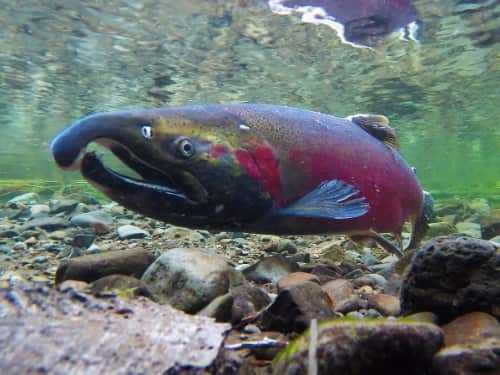
Photo: A spawning sockeye salmon.Jason Ching/University of Washington Chemical signatures imprinted on tiny stones that form inside the ears of fish show that two of Alaska’s most productive salmon populations, and the fisheries they support, depend on the entire watershed. Sockeye and Chinook salmon born in the Nushagak River and its network of streams and […]

Return of the wolves: How deer escape tactics help save their lives

By Michelle Ma | University of Washington on Mar 4, 2019   Science/Education  

Return of the wolves: How deer escape tactics help save their lives

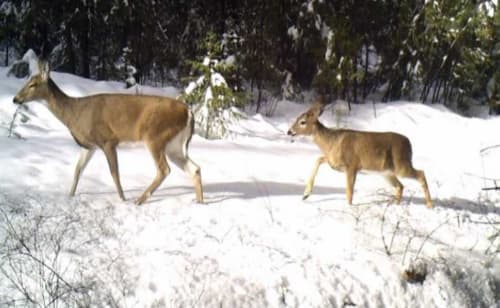
Two white-tailed deer seen in 2015 on a wildlife camera in eastern Washington.University of Washington As gray wolves continue to make a strong comeback in Washington state, their presence can’t help but impact other animals — particularly the ones these large carnivores target as prey. White-tailed deer and mule deer, two distinct species common in […]

Many Arctic Lakes Give Off Less Carbon Than Expected

By Michelle Ma | University of Washington on Feb 12, 2019   Featured, The Arctic and Alaska Science  

Many Arctic Lakes Give Off Less Carbon Than Expected

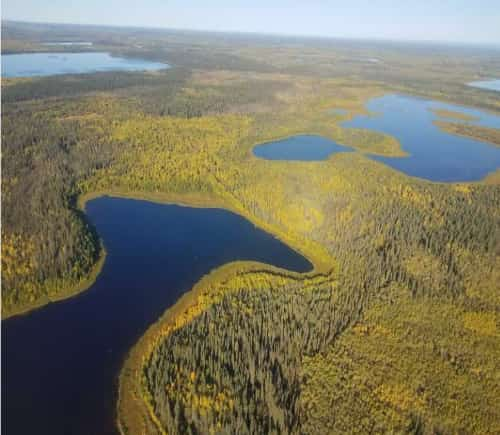
Northeast Alaska’s Yukon Flats region, seen with fall colors.David Butman/University of Washington The Arctic is warming twice as fast as the rest of the planet. One consequence of that trend is the thawing of permafrost, a layer of earth that has remained frozen for thousands of years in some areas. This frozen soil and vegetation […]

Salmon May Lose the Ability to Smell Danger as Carbon Emissions Rise

By Michelle Ma | University of Washington on Dec 19, 2018   At Sea, Featured, Science/Education  

Salmon May Lose the Ability to Smell Danger as Carbon Emissions Rise

[dropcap]T[/dropcap]he ability to smell is critical for salmon. They depend on scent to avoid predators, sniff out prey and find their way home at the end of their lives when they return to the streams where they hatched to spawn and die. New research from the University of Washington and NOAA Fisheries’ Northwest Fisheries Science […]

« Previous 1 2 3 4 5 … 9 Next »
  • Advertise with Us
  • Submit Press Release, OP/ED or Letter to the Editor
  • Contact Alaska Native News
  • DMCA
  • Privacy Policy
© 2025, ↑ Alaska Native News