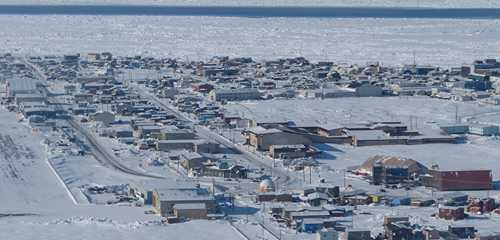
Sea ice is sticking to Alaska’s northern coast for less time each year, according to 27 years of data analyzed by University of Alaska Fairbanks scientists. Such landfast ice, which stays attached to the shoreline instead of drifting with winds and currents, also has covered less total area in recent winters. The work led […]
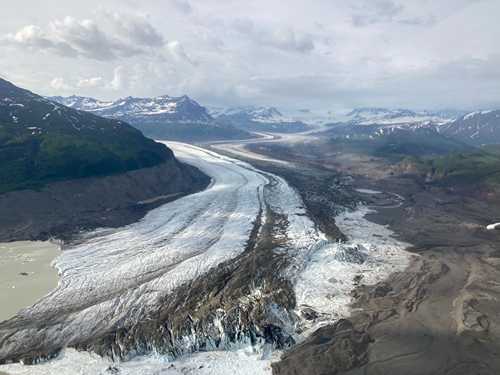
Alaska’s glaciers respond to climate change by melting for three additional weeks with every 1 degree Celsius increase in the average summer temperature, data from satellite-mounted radars show. A single degree Celsius equates to 1.8 degrees Fahrenheit. Work by scientists at Carnegie Mellon University and the University of Alaska Fairbanks also shows that synthetic […]
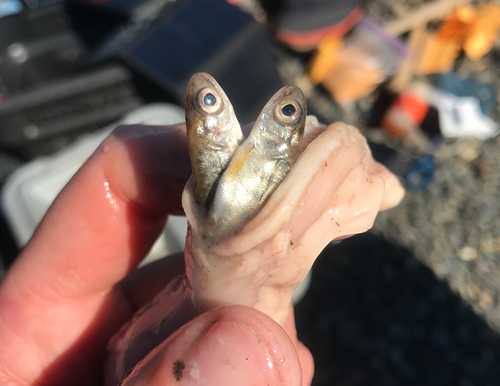
Rising temperatures in a Southcentral Alaska river have led to a hungrier population of invasive northern pike, a trend that could imperil native salmon and other fish species. A University of Alaska Fairbanks-led research team analyzed the stomach contents of northern pike caught by the U.S. Fish and Wildlife Service in the Deshka River […]
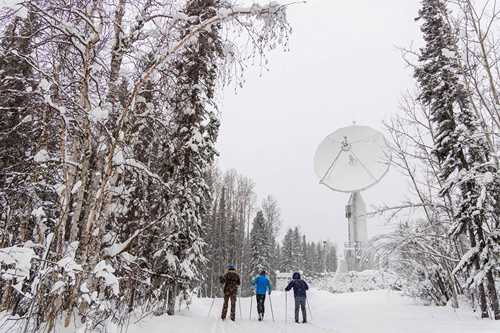
February provided a full Alaska winter weather experience: coastal blizzards, strong temperature swings, heavy snowfall and more deep cold in many locations. The Alaska Climate Research Center at the University of Alaska Fairbanks Geophysical Institute published its February summary earlier this month. “February brought such a wide range of Alaska winter weather that nearly all Alaskans […]