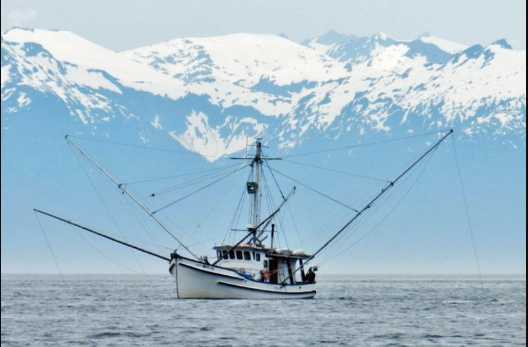
The National Marine Fisheries Service (NMFS) has recently taken several actions in Wild Fish Conservancy v. Quan (the Southeast Alaska salmon fishery case). The Wild Fish Conservancy v. Quan (the Southeast Alaska salmon fishery case) involves a challenge to a 2019 biological opinion that analyzes two actions related to salmon fishing in Southeast Alaska and a third […]
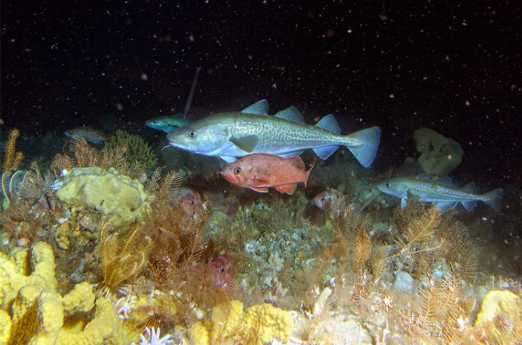
Recent updates to the Distribution Mapping and Analysis Portal (DisMAP) include additional years of data, new filtering features, and data from a new region—the Northern Bering Sea. NOAA Fisheries’ data visualization tool DisMAP displays changes in distribution over time for hundreds of marine species. It uses data from surveys such as NOAA Fisheries bottom trawls. This week, […]
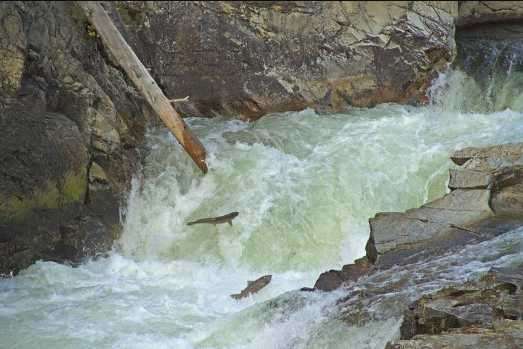
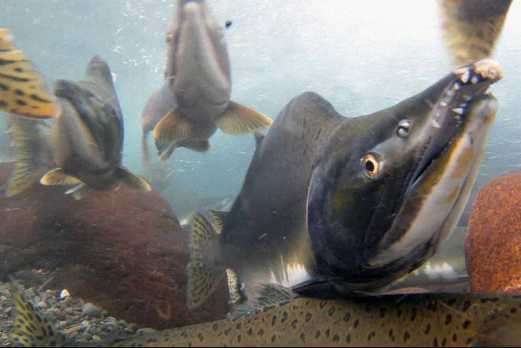
A recent study— the largest of its kind— showed unpredictable changes in juvenile salmon migration timing in response to climate change. A new study published in the journal Nature Climate Change has found that salmon migration timing is changing in unpredictable ways in response to climate change. Dr. Eric Ward of NOAA Fisheries’ Northwest Fisheries Science Center was […]
Absent Council action, agency must prepare amendment to meet court deadline. NOAA Fisheries will hold a public hearing to receive input on an amendment to the Fishery Management Plan for Salmon Fisheries in the Exclusive Economic Zone off Alaska. This amendment would establish federal management for the salmon fisheries in the federal waters of upper […]