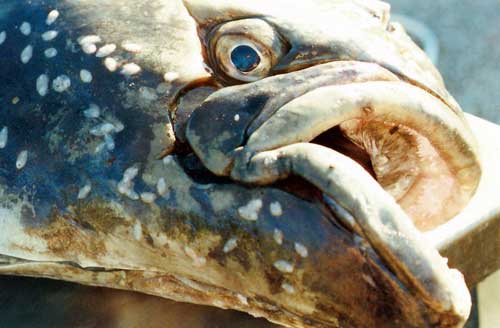
Like old-growth trees in a forest, old fish in the ocean play important roles in the diversity and stability of marine ecosystems. Critically, the longer a fish is allowed to live, the more likely it is to successfully reproduce over the course of its lifetime, which is particularly important in variable environmental conditions. A new study by […]
Porphyrias, a group of eight known blood disorders, affect the body’s molecular machinery for making heme, which is a component of the oxygen-transporting protein, hemoglobin. When heme binds with iron, it gives blood its hallmark red color. The different genetic variations that affect heme production give rise to different clinical presentations of porphyria — including […]
In a study analyzing the genomes of 210,000 people in the United States and Britain, researchers at Columbia University find that the genetic variants linked to Alzheimer’s disease and heavy smoking are less frequent in people with longer lifespans, suggesting that natural selection is weeding out these unfavorable variants in both populations. Researchers further find […]
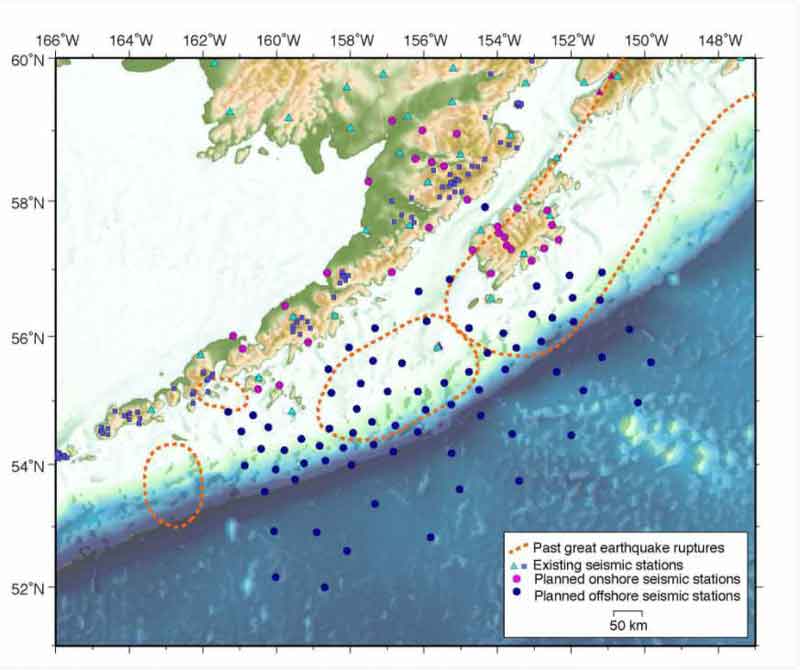
The National Science Foundation is funding the largest marine seismic-monitoring effort yet along the Alaska Peninsula, a region with frequent and diverse earthquake and volcanic activity. Involving aircraft and ships, the new Alaska Amphibious Community Seismic Experiment will be led by Cornell University in Ithaca, New York, with partners at the University of Washington and seven other […]