Dinosaur backbone is the first found on the icy continent, and belongs to a titanosaur around 6–7 meters in length.
First ever dinosaur remains found in Antarctica described
Fossil belongs to an animal from the largest group of dinosaurs to ever walk the Earth
Sauropods likely crossed from South America via Antarctica to Australia and New Zealand
The first ever dinosaur fossil found on the Antarctic continent has been described for science. The fossil, a vertebra, was found on a British Antarctic Survey (BAS) expedition in 1985 but has only recently been recognised as that of a dinosaur.
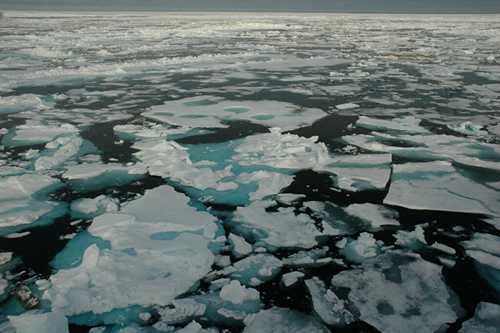
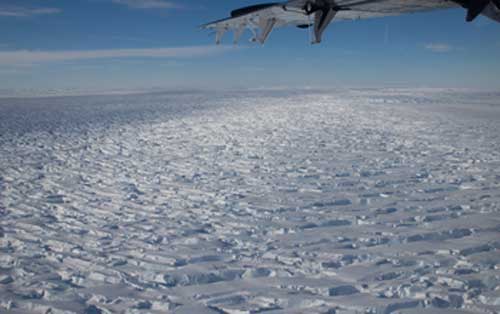
Antarctica has the sparsest dinosaur record of any continent due to its ice cover, making geological exploration challenging. Fossils have mostly been found at two sites, the Transantarctic Mountain range and the Antarctic Peninsula and its adjacent islands, where this fossil was found, with exposed rock along the shorelines.
It was found by Dr Mike Thomson, BAS, during an expedition that characterised the rock layers on the Antarctic Peninsula for future geologists and palaeontologists. The scientists were primarily looking for invertebrates like ammonites, because these are found throughout the fossil record and help to date the layers.
The fossil is the only one from the continent to be found in a rock layer known as the Santa Marta Formation, dating back to the Late Cretaceous about 82 million years ago. The rock is also marine, meaning the animal likely floated out to sea once dead and came to rest, eventually to be buried and fossilised on the seabed.
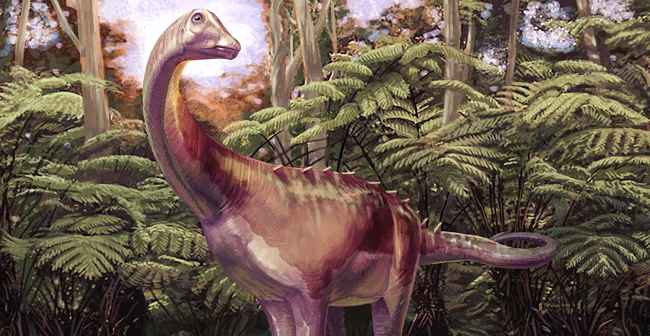
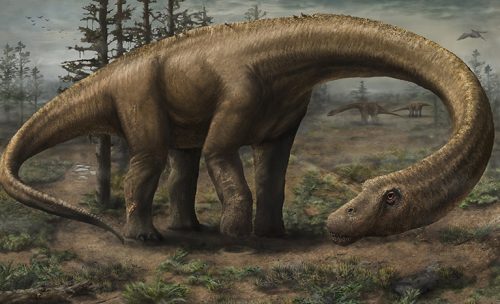
Scientists agree that this vertebra belonged to an animal from the group of dinosaurs called Titanosauria which includes the largest dinosaurs that ever lived reaching standard weights of over 15 tonnes. This long-necked specimen, however, was either a juvenile or possibly a dwarf species with it estimated to be only 6–7 meters in length.
Prof. Paul Barrett, Merit Researcher at the Natural History Museum, London, said,
‘At first glance this appears to be an unremarkable fossil, but it holds an important place in the history of Antarctic exploration as the first dinosaur fossil found on the continent.
At the time this animal lived, we know Antarctica would have covered in lush temperate forest providing ample food for large herbivores.
There are likely many more dinosaurs to be discovered on the continent. As climate change causes ice to retreat we may indeed find further evidence of this past biodiversity.’
Dr Mark Evans, palaeontologist and manager of the geological collections and labs at British Antarctic Survey said:
‘This fossil was found by Dr Mike Thomson, one of the true pioneers of Antarctic geology, whose work helps us date all fossil finds across the Antarctic Peninsula today.
When I first spotted this bone in our collections a few years ago, I suspected it was a dinosaur. After looking at it properly, I thought it was probably a titanosaur tail vertebra.
Looking back at Mike’s notebooks, he knew it was a large reptile – so it’s very special to confirm his find 40 years later. We’ve also been able to compare it against dinosaur fossils that have been found since.’
The find sheds further light on how dinosaurs spread across the southern continents. To date no titanosaurs have been found in Australia, and there is only limited evidence of them in New Zealand. Confirmation of the presence of these animals in Antarctica makes it seem likely that they travelled on to these areas which were connected. At the time, the combined southern continent of Gondwana was warm, despite its position at the South Pole, due to heavy volcanic activity contributing CO2 to Earth’s atmosphere.
A cast of the largest titanosaur species and largest animal to ever walk the earth, Patagotitan mayorum, is currently on loan from the Natural History Museum, London, and on display in Peterborough Cathedral until the 13th of September.