New designation incentives for investment in urban and rural communities beginning in 2027
(Anchorage, AK) – Gov. Mike Dunleavy has submitted Alaska’s 25 census tract nominations for the next generation of the federal Opportunity Zone program, positioning communities across the state to attract new private investment beginning in 2027.
“Alaska is at a pivotal moment,” Dunleavy said. “Our strategic location, abundant energy resources and role in America’s national defense make Alaska essential to the future of our country. We are also home to 57 of the 60 minerals on the 2025 U.S. List of Critical Minerals, resources needed for energy, advanced technology and national security. Opportunity Zones will give us another powerful tool to attract capital, create jobs and continue making Alaska the best place in the country to invest and do business.”
Opportunity Zones are a federal economic development tool designed to encourage private investment in economically distressed communities. Investors who reinvest eligible capital gains through Qualified Opportunity Funds may receive federal tax benefits when that capital supports qualifying businesses, real estate and development projects within designated census tracts.
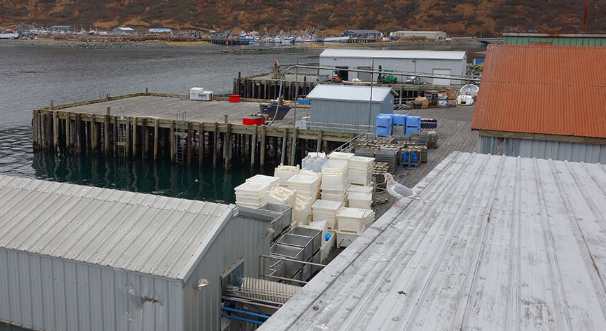
The program can support investments in housing, manufacturing, transportation, energy, natural resources, seafood processing, timber, aerospace, infrastructure and other industries. Unlike a grant or tax credit program, Opportunity Zones rely on private investment decisions.
“These selections put a national spotlight on Alaska communities with credible opportunities and room to grow,” said Department of Commerce, Community, and Economic Development Commissioner Julie Sande. “From Wrangell and Prince of Wales to the Aleutians, Kodiak and Interior Alaska, we are seeing increased interest and significant investments in Alaska’s ports, timber, seafood, minerals, energy and aerospace sectors. Opportunity Zone designation gives communities another way to turn that momentum — including interest from qualified domestic and international investors — into long-term investment, infrastructure and jobs.”
Alaska’s Opportunity Zone Selections
The governor submitted the nominations from the following census areas of the state:
The selected tracts encompass a wide range of potential investment opportunities, including housing and redevelopment in Anchorage and Fairbanks; ports, maritime infrastructure and seafood processing in coastal communities; aerospace and national defense infrastructure; energy and transportation projects; and mineral, timber and other natural resource development throughout rural Alaska.
The Alaska Department of Commerce, Community, and Economic Development led the state’s review process, beginning with outreach to communities, regional economic development organizations and industry groups in fall 2025. DCCED held a statewide public comment period in April and gathered input from local governments, businesses, Alaska Native organizations, state agencies, the University of Alaska and other stakeholders.
The state evaluated 32 federally eligible census tracts using a 100-point scoring framework centered on three considerations:
Community impact: The potential to expand economic opportunity, diversify local economies and improve long-term prosperity.
Market viability: Whether private capital could realistically support projects within the program’s timelines, considering factors such as transportation, utilities, workforce and commercial infrastructure.
Policy alignment: Whether potential investments aligned with state and local economic development priorities and Alaska’s broader goals for economic diversification and growth.
Recommendations developed through that process were reviewed by a state subcabinet, the governor’s Cabinet and the Governor’s Office before the final selections were submitted. Following certification by the U.S. Department of the Treasury, the new Opportunity Zone designations will take effect Jan. 1, 2027, and remain in place for 10 years.
A statewide map of the selected census tracts, additional program information and resources for communities and prospective investors will be available through the Alaska Business Initiative at AlaskaBusinessInitiative.org.