Museum Published Digital Alutiiq/Sugpiaq Place Names Map
By Alutiiq Museum on Comments Off on Museum Published Digital Alutiiq/Sugpiaq Place Names Map
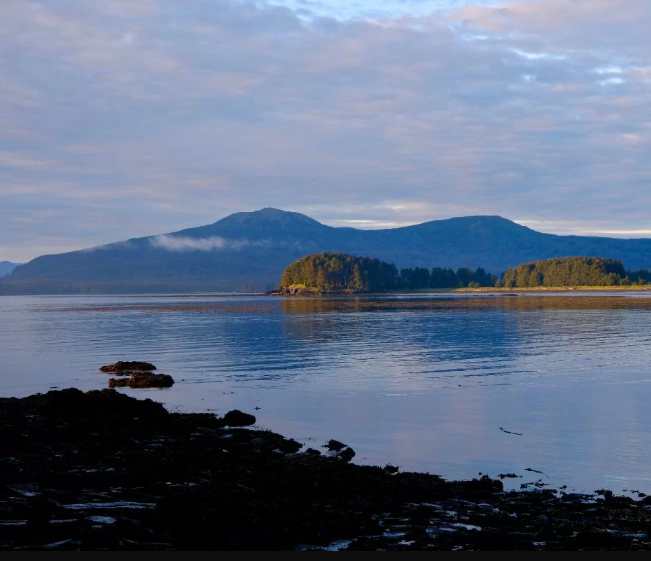
Whale Island
KODIAK—A digital place names map is the newest addition to the Alutiiq Museum’s website. This interactive tool allows visitors to explore over three hundred Alutiiq/Sugpiaq terms for Kodiak’s geographic features, landmarks, and communities. The map is based on research conducted by Dehrich Chya, the museum’s director of language and living culture. It was produced with support from the Native Village of Afognak and the US Bureau of Indian Affairs, with technical assistance from Sean Mack.
“Our people have lived on Kodiak for millennia, naming the places they live, harvest, and travel,” said Chya. “This map shares terms recorded in the past two centuries. Many come from interviews with Elder Alutiiq speakers. The names preserve cultural knowledge. They identify the places people harvested, they preserve information on hazards, like dangerous rocks and strong currents, and they recall past events like the discovery of an iron source or a battle.”
The map was constructed using ArcGIS, a platform that can meld cultural information with geospatial data. Users of the map can click on a place in the archipelago to see its Alutiiq name and hear it pronounced by an Alutiiq speaker. About a quarter of the entries also feature a photo from the museum’s collections. The map can be accessed from the language page of the museum’s website at https://alutiiqmuseum.org/alutiiqpeople/language/#names. The website presentation includes the interactive map, a downloadable poster with fifty Alutiiq place names superimposed on a painting of the archipelago by Bruce Nelson, and links to place names research and summaries of village histories.
“This resource reminds us of the deep connections we have to Kodiak,” said Alutiiq Museum Executive Director April Laktonen Counceller. “When we can see and learn Alutiiq place names, we recognize our history and our ongoing connections to the world of our ancestors.”
Chya sees the map as a place to share and compile information, and as documentation of the Alutiiq language continues, he plans to add to it. He said, “I’m always looking for additional names. Sometimes people remember them. Other times, names are preserved in historic documents. And as Alutiiq is a living language, speakers are continuing to name places. Our map project included training so that we can continue to update the map with cultural knowledge.”
The Alutiiq Museum is a non-profit organization dedicated to preserving and sharing the history and culture of the Alutiiq, an Alaska Native tribal people. Representatives of Kodiak Alutiiq organizations govern the museum with funding from charitable contributions, memberships, grants, contracts, and sales.