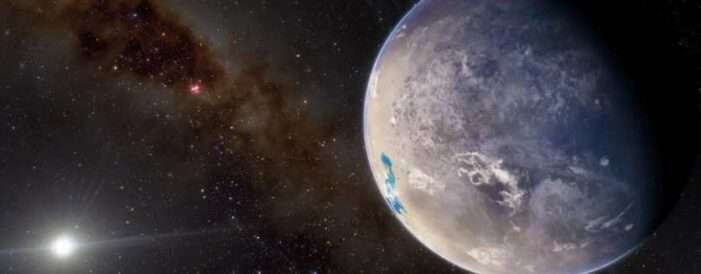
Study uses computer model to predict existence of habitable zones in white dwarf star systems A research team led by the recipient of a U.S. National Science Foundation Faculty Early Career Development grant used computer simulations to determine that white dwarf stars have greater potential to host habitable planets than previously realized. The team concluded […]
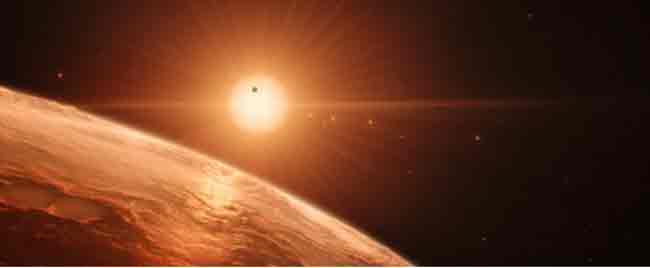
Astronomers have found a system of seven Earth-sized planets just 40 light-years away. Using ground and space telescopes, including ESO’s Very Large Telescope, the planets were all detected as they passed in front of their parent star, the ultracool dwarf star known as TRAPPIST-1. According to the paper appearing today in the journal Nature, […]
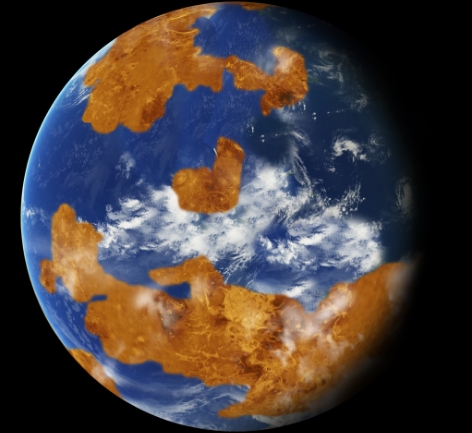
Venus may have had a shallow liquid-water ocean and habitable surface temperatures for up to 2 billion years of its early history, according to computer modeling of the planet’s ancient climate by scientists at NASA’s Goddard Institute for Space Studies (GISS) in New York. The findings, published this week in the journal Geophysical Research Letters, […]
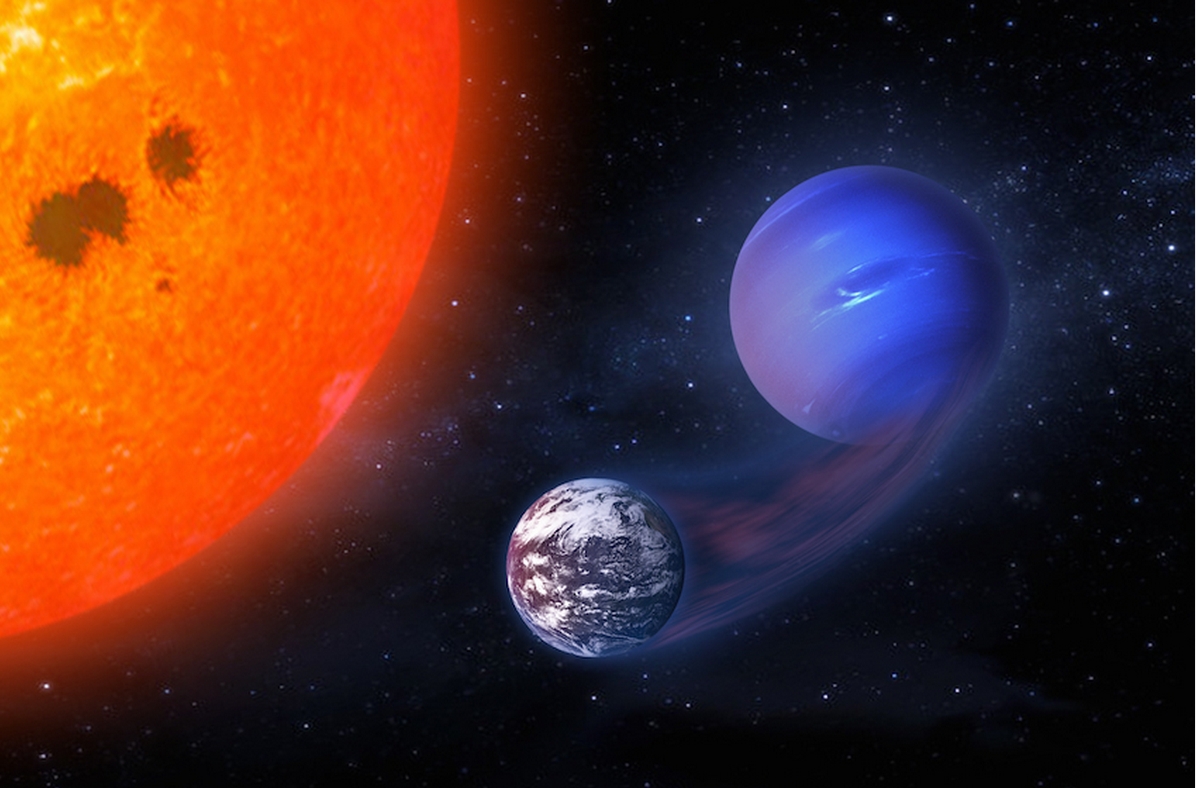
Two phenomena known to inhibit the potential habitability of planets — tidal forces and vigorous stellar activity — might instead help chances for life on certain planets orbiting low-mass stars, University of Washington astronomers have found. In a paper published this month in the journal Astrobiology, UW doctoral student Rodrigo Luger and co-authorRory Barnes, research […]