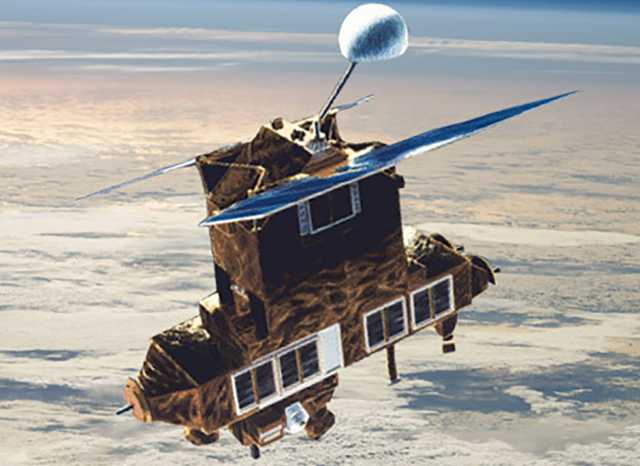
In early January NASA’s retired Earth Radiation Budget Satellite (ERBS) is expected to reenter Earth’s atmosphere after almost four decades in space. For 21 of those years, the ERBS actively investigated how the Earth absorbed and radiated energy from the Sun, and made measurements of stratospheric ozone, water vapor, nitrogen dioxide, and aerosols. As of […]
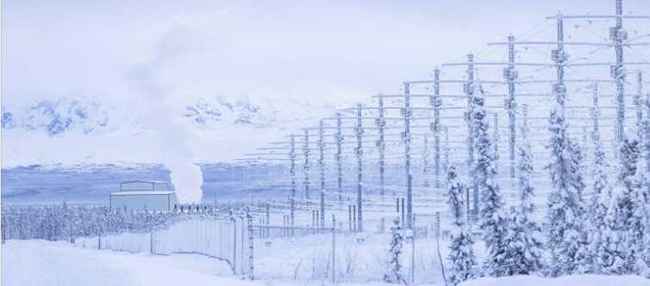
A powerful transmitter in remote Alaska sent long wavelength radio signals into space Tuesday with the purpose of bouncing them off an asteroid to learn about its interior. The asteroid, 2010 XC15, is estimated to be about 500 feet across and is passing by Earth at two lunar distances, which is twice the distance between […]
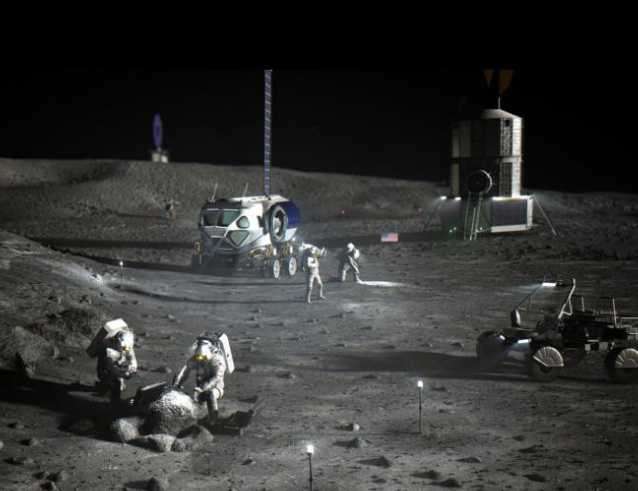
A University of Alaska Fairbanks postdoctoral researcher has helped NASA better understand two of the possible landing sites for the space agency’s Artemis program, which aims to land humans at the moon’s south pole and establish a sustainable base camp there. Planetary scientist Indujaa Ganesh assisted in the research of sites known as 007 and […]
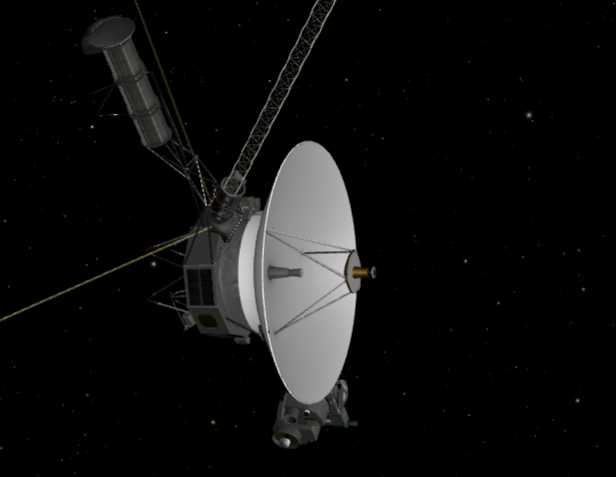
Launched in 1977, the twin Voyager probes are NASA’s longest-operating mission and the only spacecraft ever to explore interstellar space. NASA’s twin Voyager probes have become, in some ways, time capsules of their era: They each carry an eight-track tape player for recording data, they have about 3 million times less memory than modern cellphones, and […]