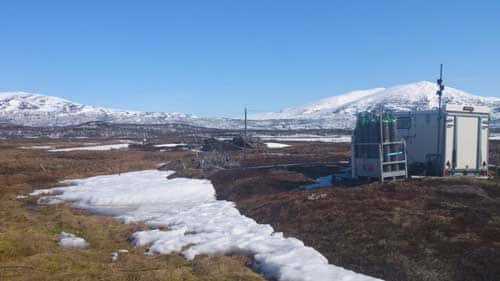
A University of Queensland-led international study could lead to more accurate predictions or the rate of global warming from greenhouse gas emissions produced by thawing permafrost in the next 100 years. The study of the microorganisms involved in permafrost carbon degradation links changing microbial communities and biogeochemistry to the rise of greenhouse gas emissions. It […]
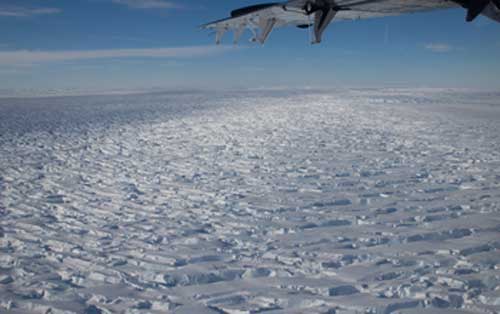
The collapse of the Thwaites Glacier in West Antarctica could significantly affect global sea levels. As part of a new $25 million research collaboration, the National Science Foundation (NSF) and the United Kingdom’s Natural Environment Research Council (NERC) announced today that teams of scientists at U.S. institutions will deploy to Antarctica to gather the data […]
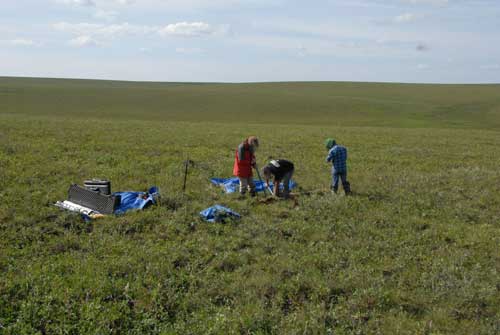
Researchers have discovered that thawing permafrost in the Northern Hemisphere stores twice as much mercury as the rest of the planet’s soils, atmosphere, and oceans. The finding has significant implications for human health and ecosystems worldwide. In a new study, scientists measured mercury concentrations in cores of frozen ground—or permafrost—from Alaska and used the data to […]
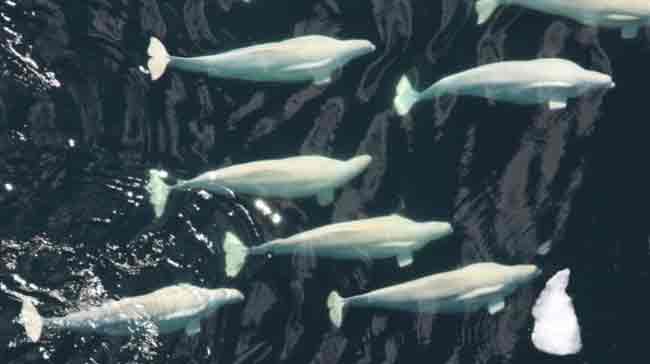
The annual migration of some beluga whales in Alaska is altered by sea ice changes in the Arctic, while other belugas do not appear to be affected. A new study led by the University of Washington finds that as Arctic sea ice takes longer to freeze up each fall due to climate change, one […]