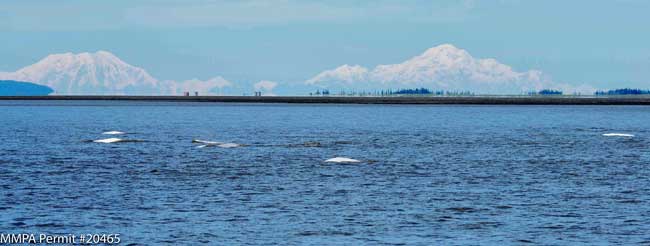
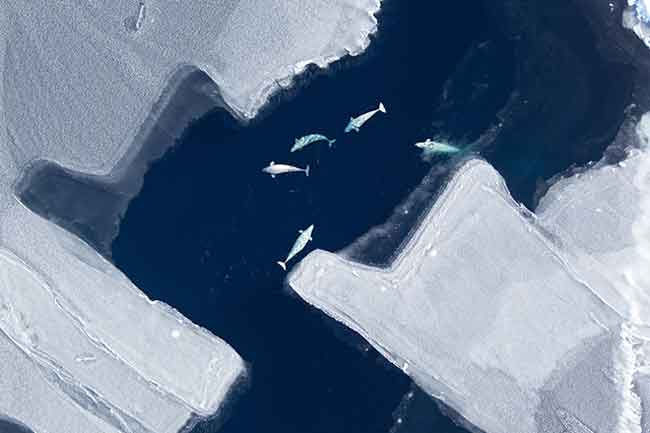
For the first time, we are using an Unmanned Aerial System (UAS), a hexacopter, to collect photographs of the endangered Cook Inlet beluga whale to estimate the length of individual whales and learn more about why it has been slow to recover despite many efforts to help it. The Cook Inlet watershed stretches some 50,000 […]
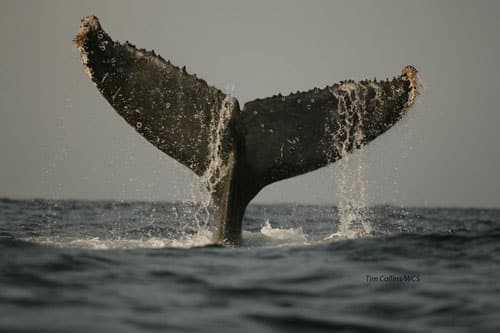
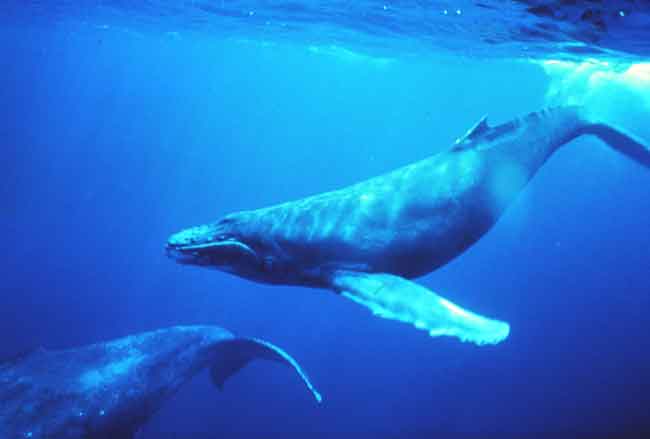
Scientists conducting the first circum-global assessment of mitochondrial DNA variation in the Southern Hemisphere’s humpback whales (Megaptera novaeangliae) have found that whales faithfully returning to calving grounds year after year play a major role in how populations form, according to WCS (Wildlife Conservation Society), the American Museum of Natural History, and a number of other […]
NOAA Fisheries’ Alaska Fisheries Science Center (Marine Mammal Laboratory), in collaboration with the Alaska Beluga Whale Committee and the North Slope Borough, will be conducting aerial surveys for the Eastern Bering Sea stock of belugas in Norton Sound and near the Yukon River Delta, Alaska. Through the surveys, NOAA hopes to derive an updated population […]
The blue whale, which uses baleen to filter its prey from ocean water and can reach lengths of over 100 feet, is the largest vertebrate animal that has ever lived. On the list of the planet’s most massive living creatures, the blue whale shares the top ranks with most other species of baleen whales alive […]