Trawlers are currently allowed to drag the ocean bottom, including in protected areas — because they are not defined as dragging the bottom.
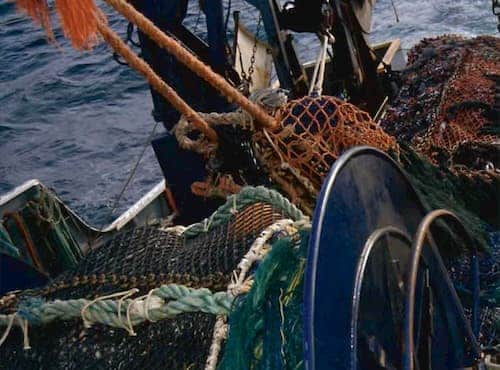
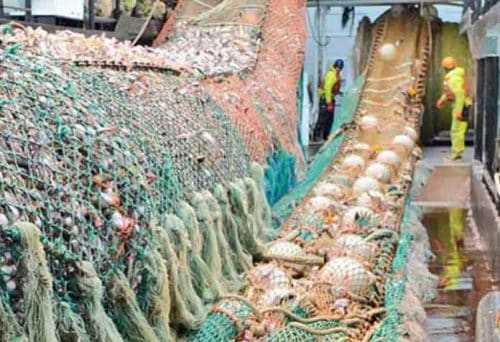
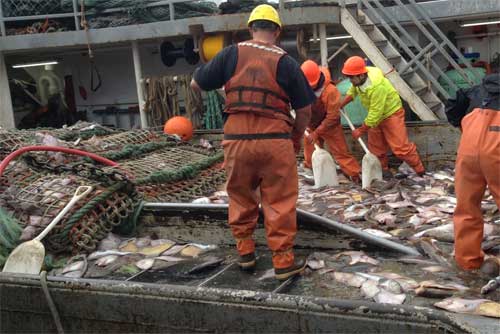
Trawler hauling gear. Image-ADF&G
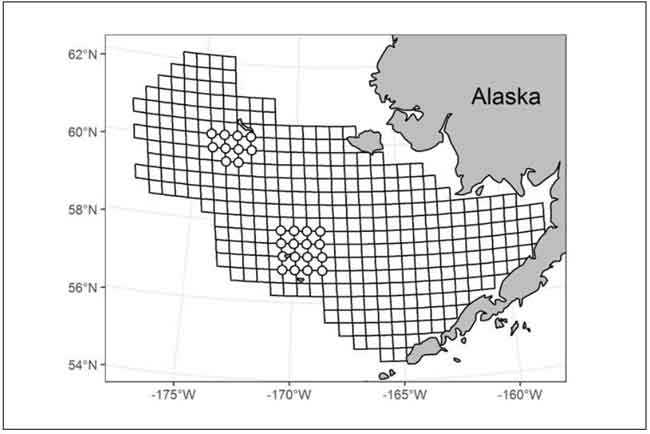
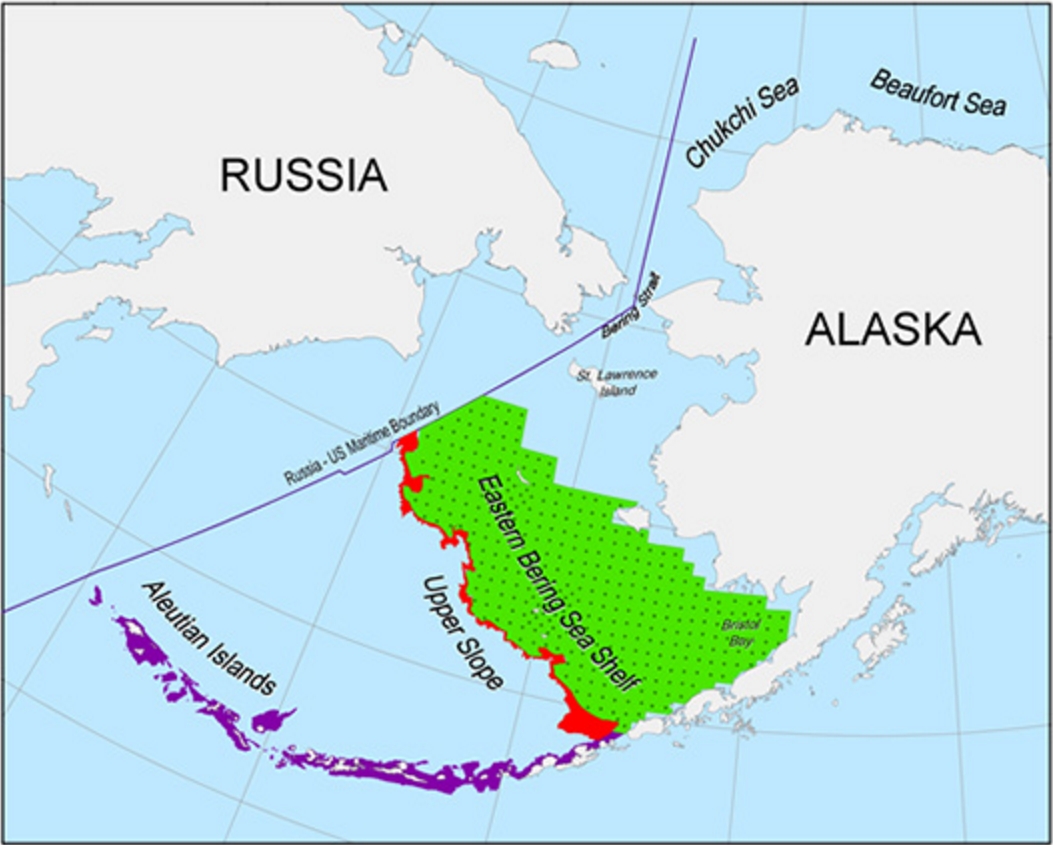
ANCHORAGE, AK— The North Pacific Fishery Management Council has the opportunity, at its June meeting, to close a notorious loophole that allows pelagic, or so-called “mid-water” trawlers, to drag the ocean floor a very high percentage of the time that they are fishing, including in protected areas closed to forms of fishing that involve mobile bottom contact. In the Bering Sea alone, 40% of all bottom contact by fishing operations comes from “mid-water” trawlers.
“No one should be allowed to drag the ocean floor in protected, sensitive areas closed to that practice. It’s far past time to close this colossal loophole,” said SalmonState Executive Director Tim Bristol.
“The term ‘pelagic’ refers to marine ecosystems not near the coast or seafloor. Pelagic or “midwater” trawling needs to stay off the bottom of the ocean. If “midwater” draggers can’t uphold this basic definition, the North Pacific Fishery Management Council needs to manage them as bottom trawlers,” said Ryan Astalos SalmonState Operations Director.
Trawling is an industrial form of fishing in which large ships drag an enormous net with a mouth as wide as a football field behind them. They bycatch, on average, 141 million pounds of marine life each year. This includes tens of thousands of king salmon, hundreds of thousands of chum salmon, millions of herring, millions of crabs, and millions of pounds of halibut — all species experiencing declines. It also includes protected species like orcas.
Most trawling happens 3-200 miles offshore, which means it is managed not by the State of Alaska, but by NOAA Fisheries, which takes the recommendations of the North Pacific Fishery Management Council. The majority of voting members on the Council are tied, economically, to the trawl fleet. Most trawlers are based outside of Alaska, and majority of the profit leaves Alaska.
At the same time, commercial, sport, subsistence, personal use and charter fisheries across Alaska are facing shutdowns and severe restrictions. Alaska Native peoples on the Yukon River, who have sustainably fished for king salmon for thousands of years, are forbidden to catch a single king salmon for seven years, leading to a humanitarian and cultural crisis on western Alaska rivers. Alaskans are bearing the heaviest conservation burden for a problem we did not create while the largest and most wasteful fishery in Alaska continues bycatching these species — and continues to play by a different set of rules.
SalmonState works to keep Alaska a place where wild salmon and the people whose lives are interconnected with them thrive.