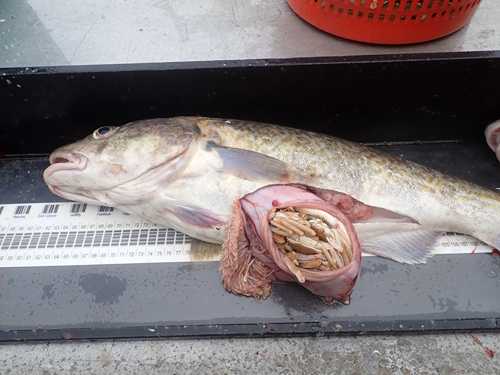
A new study uses spatial models to precisely map how Pacific cod prey on commercially important snow and southern Tanner crabs in the eastern Bering Sea. A new study by NOAA Alaska Fisheries Science Center biologists illuminates predator-prey dynamics between Pacific cod and commercially important snow and Tanner crabs. Scientists examined diet data collected […]
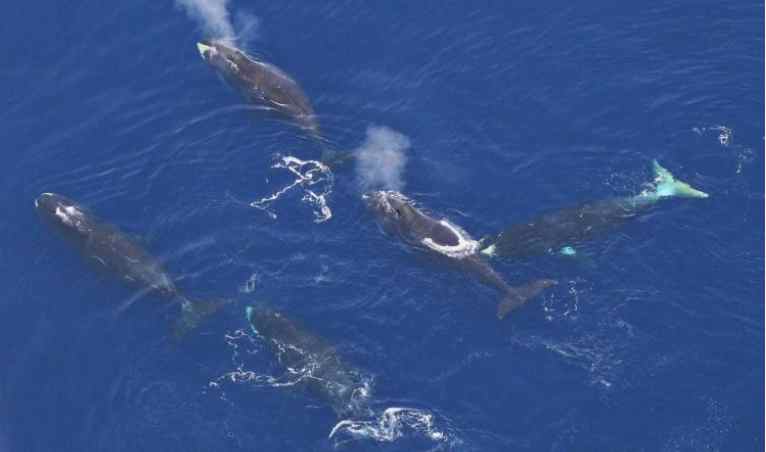
Applied research collects data needed to ensure food security for Indigenous subsistence hunters in the United States and Canada. In 2025, NOAA and the Alaska North Slope Borough successfully completed a survey to count bowhead and beluga whales in the U.S. and Canadian Beaufort Seas and Amundsen Gulf. This international, multi-agency, multi-species project was the result of 3 […]
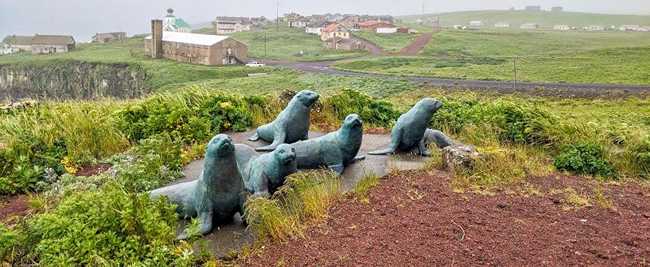
Research confirms saxitoxin poisoning in seals and the presence of harmful algal species. In August 2025, two biologists from NOAA Fisheries’ Alaska Region Protected Resources Division traveled to St. George Island to conduct routine maintenance on NOAA facilities. Upon their arrival, they began receiving reports from residents about a high number of northern fur seals found […]
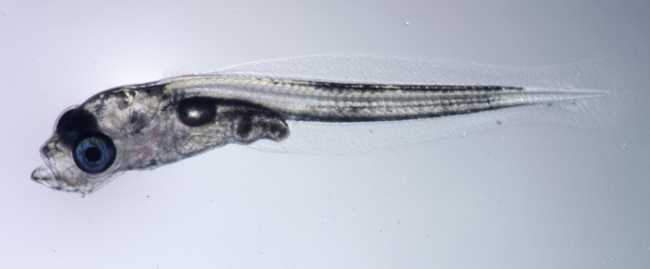
Energy deficiencies and inflammation may cause warming-related mortality in Pacific cod larvae. A new study used gene expression analysis to explore how temperature and ocean acidification affect Pacific cod larvae. Scientists discovered that larvae are equipped with genes that allow them to survive cool and acidified conditions. However, warming may cause mortality by […]