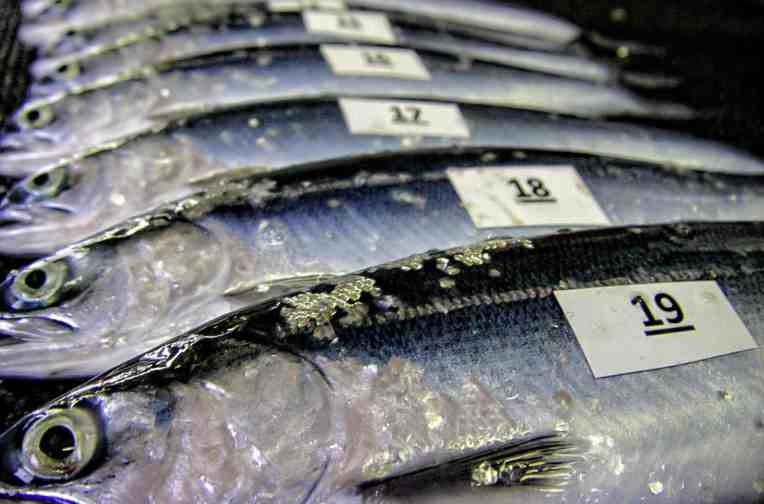
NOAA Fisheries scientists are part of an international team that set sail on April 11. They are studying the impacts of continued warm ocean temperatures in the Gulf of Alaska on Pacific salmon survival. It has been estimated that one-third of all Pacific salmon spend the winter in the Gulf of Alaska. While reduced in […]
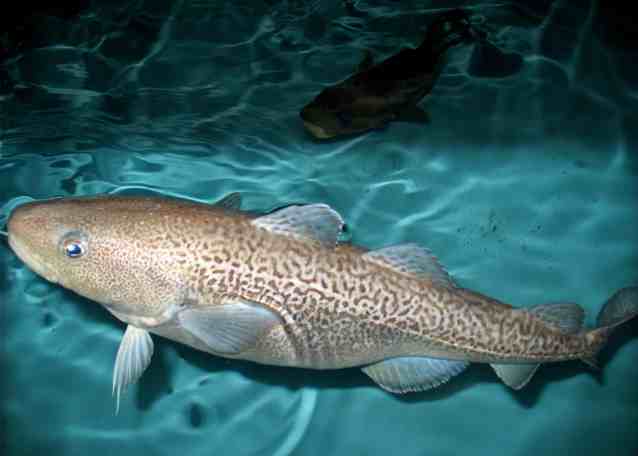
The 2013 to 2016 marine heatwave—known as “The Blob”—is the largest warm anomaly ever recorded in the North Pacific. In the Gulf of Alaska, scientists have connected low numbers of Pacific cod larvae, juveniles, and adults to loss of spawning habitat. This occured during and immediately following the heatwave. Compounding the ecological loss is the […]
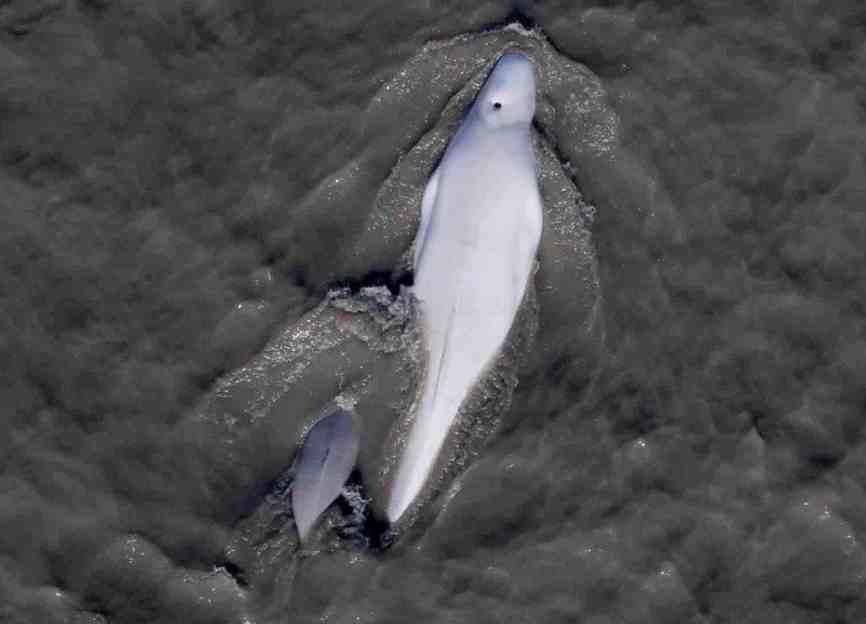
The first continuous multiyear acoustic monitoring effort across Cook Inlet provides the most comprehensive description of beluga whale seasonal distribution and feeding behavior to date. This knowledge is critical for understanding and managing potential threats impeding recovery of this endangered population. “Cook Inlet belugas were listed as endangered in 2008. Despite protective measures, the population continued to decline,” […]
A new look at historical data through the lens of gender illuminates the dynamic role women play in Alaska’s commercial fisheries. Women play an integral, multifaceted—and until now, largely invisible—role in Alaska fisheries. The first comprehensive study of women’s participation, incorporating gender into 30 years of existing data, shows women participate in Alaska fisheries differently than […]