|
|
|

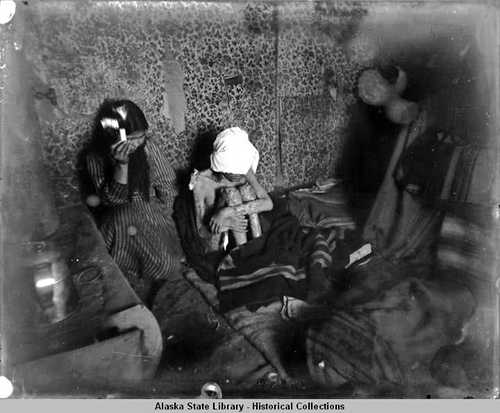 Measles, also known as the “Great Sickness” among the Native villages, broke out in Alaska in 1900 and tore through isolated Yup’ik, Iñupiat, and Iñupiaq communities that had little to no prior biological exposure, killing one-quarter to one-half of their populations as it moved through the towns.
On November 7th 1913, news was transmitted to the outside world that an outbreak of measles had hit the Kodiak and Afognak archipelagos. The disease had been brought to the islands from Southeast Alaska on ships that had not adhered to adequate quarantine practices.
In response, the Governor of Alaska dispatched the cutter Tahoma (under the command of Captain R. O. Crisp) to Kodiak on November 13. After a seven-day voyage, the cutter arrived with Bureau of Education doctors who fumigated living quarters across the affected villages and distributed vital medical supplies as emergency relief.
Related Content


By the time of the cutter’s arrival, the active phase of the disease had run its course, causing many deaths.
|
|
|

This Day in Alaska History-November 7th, 1913 added by Alaska Native News on
View all posts by Alaska Native News →