UAF research features in global marine megafauna study
By Christian Thorsberg | UAF on Comments Off on UAF research features in global marine megafauna study
Photo courtesy of MegaMove
A whale dives in its ocean habitat.
A new study in the journal Scienceaims to improve marine conservation efforts by identifying the busiest migration corridors and critical habitats of the oceans’ largest species.
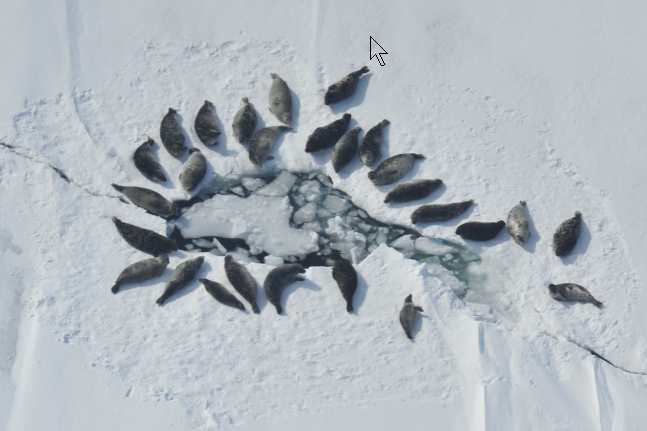
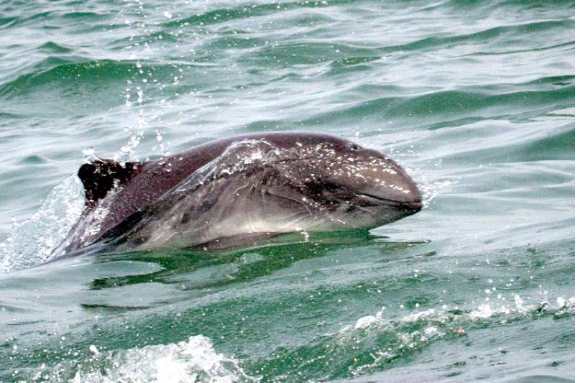
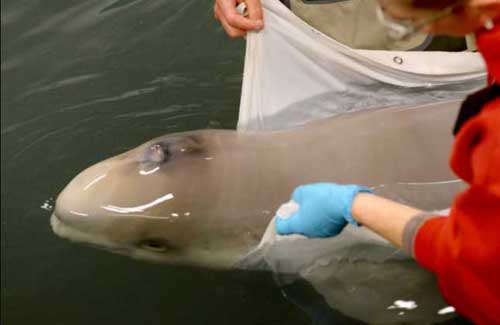
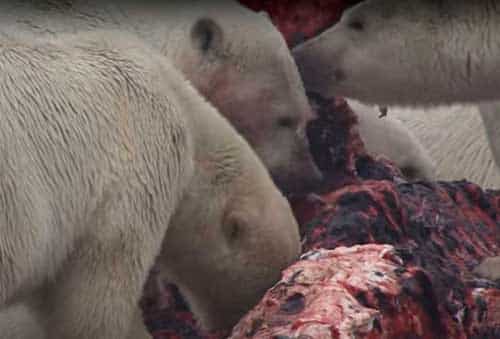
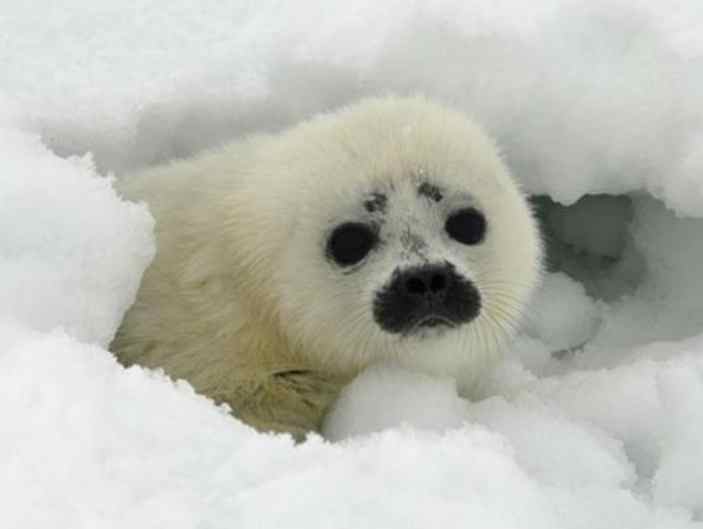
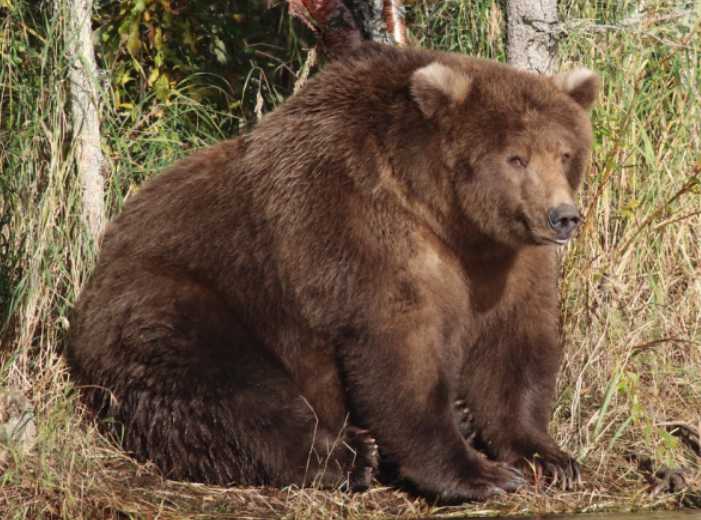
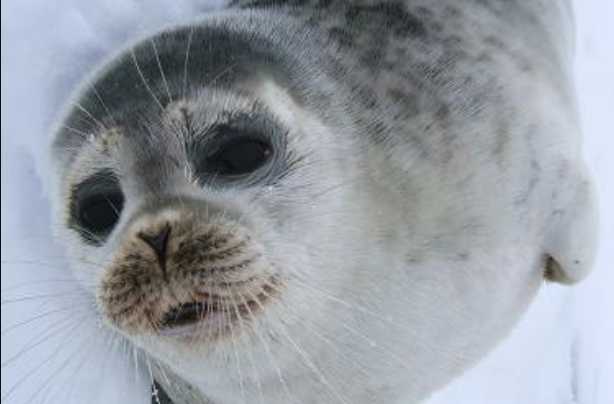
Whales, porpoises, polar bears, seabirds and seals are among the megafauna who play crucial roles in Arctic waters and those beyond, supporting fragile food webs, diverse ecosystems and subsistence lifeways.
Also, in December 2022, the 15th Conference of Parties (more commonly known as COP15) to the UN Convention on Biological Diversity established the Kunming-Montreal Global Biodiversity Framework, which set 23 conservation targets, including the aim to “protect, conserve, and manage at least 30 percent of oceans.”
Many of the world’s leading marine scientists — including Ana Sequeira, the study’s lead author and a marine ecologist at ANU — have welcomed the goal but say it is still insufficient. According to Sequeira and the study’s other lead authors, the framework would protect just 40 percent of critical marine megafauna habitat.
“Sometimes it’s easy to assume that the whale, bird, or fish we see is tied to a small part of the ocean, but these animals cover large areas, spanning waters under a variety of different laws and jurisdictions,” Will and Kitaysky wrote. “The marine megafauna use of the oceans is dynamic on spatial and temporal scales, and internationally based conservation decisions must take that into account.”